Opinion / Sovereignty & accountability
The Opaque Web: Transnational Funding, NGOs, and the Battle for Sovereignty
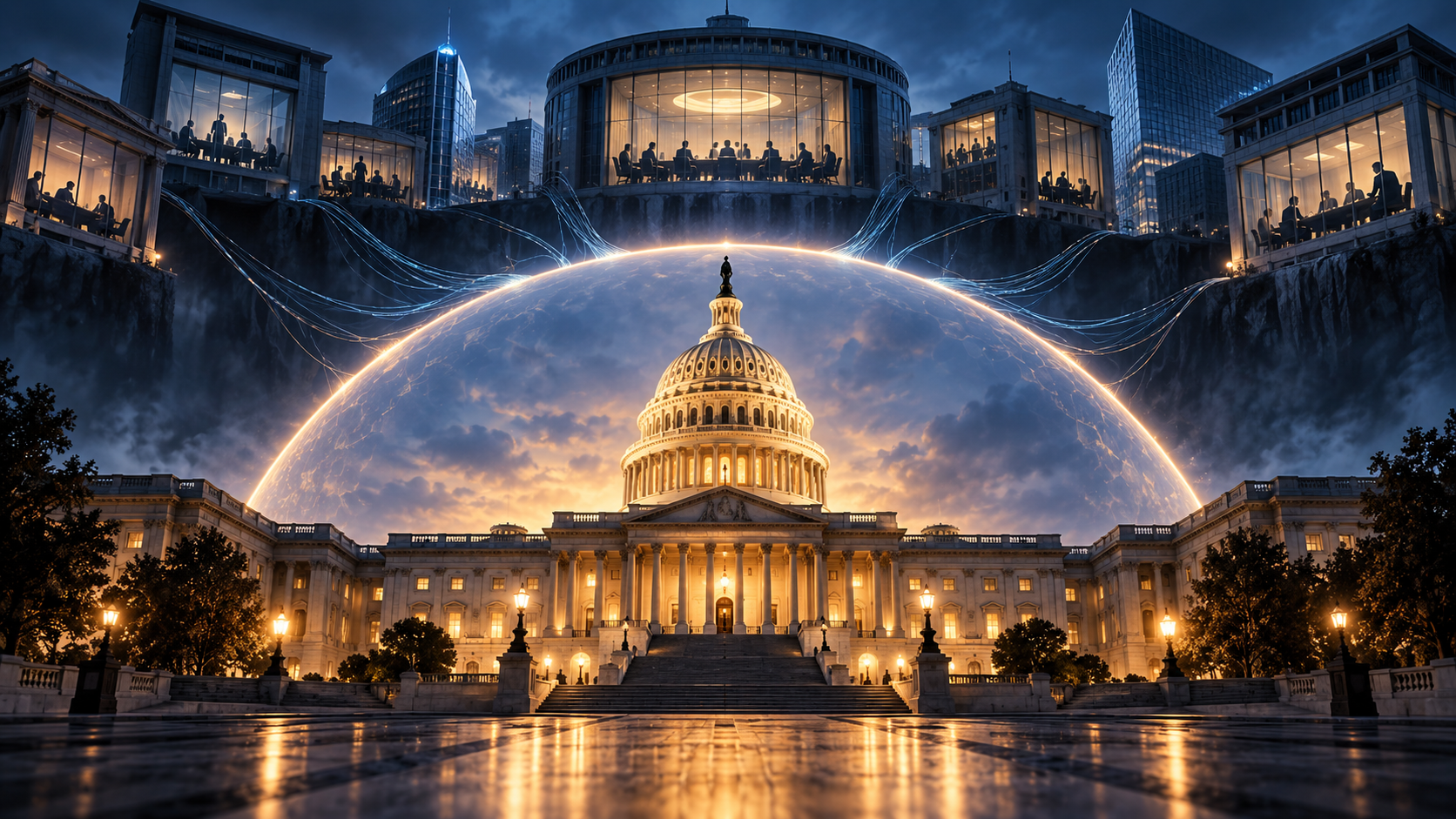
Discussions regarding modern international influence frequently move past traditional state diplomacy to examine a deeper architecture of global governance. For conservatives and proponents of national sovereignty, a central concern is how transnational networks, public-private funding models, and non-governmental organizations (NGOs) interact to shape domestic politics, cultural norms, and information ecosystems—often bypassing democratic accountability altogether.
This debate has taken on an unprecedented sense of urgency at this moment, driven by a powerful convergence of structural realignments, high-profile watchdog investigations, and intense political friction over how public-private aid networks operate. As federal foreign assistance programs face major institutional restructuring—including overseas drawdowns and state-department integration—the demand to expose and reform these opaque financial channels has become a central battleground for government accountability.
The Architecture of Transnational Influence
Critics of modern globalism argue that international institutions function as a centralized mechanism to erode national self-determination. Chief among these targets is the World Economic Forum (WEF), which brings together political and corporate leaders to advance "stakeholder capitalism" and multilateral management of global issues. From a sovereignist perspective, such technocratic coordination imposes top-down regulatory frameworks, digital identity initiatives, and ideological agendas that run contrary to the will of local electorates.
This dynamic extends into the funding machinery utilized by international philanthropies and state-backed assistance programs. Organizations like the Open Society Foundations (OSF), alongside government mechanisms historically tied to foreign aid and development, have faced intense scrutiny. Critics contend that these entities utilize complex networks of intermediary NGOs to fund political advocacy, narrative management, and cultural shifts under the guise of humanitarian or civic work.
The Divergence: Intent Versus Execution in USAID and NGOs
To understand how this system operates, it is necessary to examine the original purpose of its core components:
USAID: Originally created to serve the interests of Americans by providing humanitarian assistance and supporting those in need across international borders.
NGOs: Conceived to operate with independence from government machinery, dedicating themselves to specialized social, environmental, humanitarian, or political goals.
However, critics argue that the combination of these two entities has created a powerful vector for unintended consequences. Because NGOs were structured for operational independence, and because state-backed agencies like USAID have historically operated with minimal oversight, their convergence removed traditional accountability guardrails. Without rigorous tracking, the purpose and transactions of both entities remained unchecked, transforming the public-private partnership into a powerhouse for propaganda and political financing.
Loopholes, Fraud, and the Absence of Oversight
A critical element of this debate focuses on accountability—or the systematic lack thereof. Over decades, public assistance programs and foreign funding streams have frequently operated through multi-tiered networks of primary contractors, international organizations, and subrecipient NGOs.
Watchdogs and critics point out that these complex funding structures create massive administrative blind spots:
- Subgrantee Obscurity: When money passes through layers of third-party organizations, tracking the final destination of public dollars becomes exceptionally difficult.
- Vulnerability to Fraud: The historical lack of rigid, real-time auditing has allowed loopholes to multiply, turning certain NGO channels into viable paths for misdirected capital, political financing, and effective money laundering.
- Resistance to Transparency: Investigators and government watchdogs have frequently encountered resistance, delays, or outright refusals from international organizations and foreign-based NGOs when demanding access to financial data.
The Conflict of Interest: Beneficiaries of the Status Quo
The persistent absence of robust oversight has led critics to a blunt conclusion: the lack of transparency is not an accidental administrative failure, but a structural feature protected by those who benefit from it.
When billions flow through opaque channels, an entrenched class of contractors, bureaucrats, intermediary networks, and political operatives develops a clear self-interest in maintaining the status quo. Those who argue against rigorous oversight—or stall legislative efforts to mandate deep financial tracking—are frequently viewed by reformers as parties to its benefits.
Consequently, efforts to pierce these networks through legislative pushes—such as enhanced disclosure rules for foreign money entering the non-profit sector or stricter audits on subrecipients—face fierce institutional friction. For those who champion a sovereign United States, enforcing absolute transparency on public and foreign-backed funds is framed as an essential step to restoring democratic accountability and ensuring that domestic policy is dictated by voters rather than transnational networks.
Why This Discussion Matters Now
This debate has grown intensely relevant due to a convergence of structural realignments, high-profile investigations, and political friction surrounding foreign assistance architecture:
- Structural Realignment and Closures: Federal foreign assistance programs have faced major institutional disruptions, including systematic drawdowns or reorganizations of overseas USAID positions and shifts of foreign assistance programming under direct State Department control, bringing the machinery of public aid under intense public scrutiny.
- Escalating Inspector General Exposé: Reports from watchdogs, such as the USAID Office of Inspector General (OIG), have highlighted vulnerabilities in global health, humanitarian, and multilateral funding channels, detailing compromised subgrantee networks and administrative barriers when auditing funds distributed through international bodies.
- The Sovereignist and Populist Pushback: As national sovereignty debates dominate domestic politics, lawmakers and critics are demanding absolute transparency regarding how federal dollars and international NGOs interact, turning oversight of the public-private aid nexus into a central battleground for government reform.
Steps Toward Transparency and Accountability
The Trump Administration has ordered a review of foreign-aid programs, including awards to NGOs and other intermediaries, and directed agencies to review all federal NGO funding. The reviews can lead agencies to continue, change, or end programs. Congress has also preserved the USAID inspector general’s authority to audit and investigate foreign assistance after programs moved to the State Department.
House Republicans have advanced bills to disclose foreign donations and certain projects operating under another nonprofit’s tax status, and to penalize some political contributions by tax-exempt groups that accept foreign money. Those bills cleared committee but have not become law. When records reveal credible misuse, inspectors general can investigate; agencies can pursue recovery or debarment, and prosecutors can seek civil or criminal remedies where evidence warrants. The aim is a funding trail the public can follow—and legal accountability based on proof.
Project, Research, Analysis, Editorial by Patrick Russell; assisted by ChatGPT (OpenAI).