Iran war and Strait of Hormuz remain the highest-consequence global risk
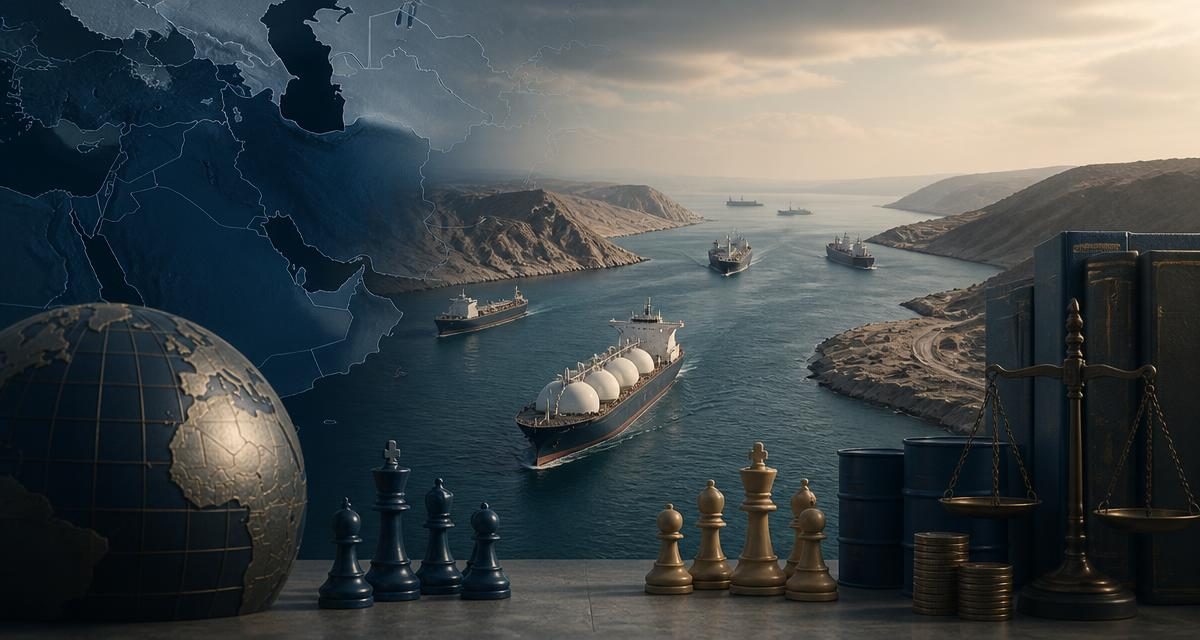
Defiant U.S. and Iranian messages continued as Washington prepared stronger sanctions and regional diplomacy sought a negotiating channel. Neither side's public claims demonstrate a settled military or political outcome.
What changed
Iran claimed victory, Egypt reported renewed diplomatic contacts, and Washington signaled new economic pressure while oil and shipping conditions remained abnormal.
Why it matters
The conflict directly affects U.S. forces, escalation risk, global oil supply, inflation and relations with Gulf partners and China.
What to watch next
Monday's sanctions announcement, Hormuz vessel counts, attacks on Gulf infrastructure and any formal negotiation framework.
What we know
- Iranian President Masoud Pezeshkian publicly claimed victory and called for the war to end.
- The United States planned additional economic sanctions affecting Iran and potentially major partners including China.
- Egyptian and Iranian ministers discussed restoring negotiations.
- Brent settled August 21 at $94.39 and WTI at $87.06; Hormuz traffic remained well below normal during much of the week.
Material unknowns
- Actual military losses and readiness on both sides
- Terms acceptable for a negotiated settlement
- Effectiveness and evasion rate of planned sanctions
U.S. strategic assessment
Critical interestOfficial U.S. objectives appear to include preventing Iranian strategic threats, protecting shipping and securing a negotiated settlement. Observed outcomes are continued combat, disrupted commerce and rising oil prices. Inference: coercive leverage is increasing, but so are the costs of delay.
Objectives
- Protect U.S. forces and regional partners
- Restore safe navigation through Hormuz
- Constrain Iranian military and nuclear capabilities
- Obtain a durable negotiated end state
Strategy
- Military deterrence and force posture
- Sanctions and secondary economic pressure
- Partner diplomacy through Egypt and Gulf states
- Protection or facilitation of maritime transit
Outcomes
- No durable ceasefire or settlement verified
- Oil and shipping disruption persists
- Egypt is attempting diplomatic facilitation
- Iranian victory claims remain official claims, not independently demonstrated strategic outcomes
Risks
- Further attacks on shipping or energy infrastructure
- Direct escalation involving China-facing sanctions
- Civilian harm and regional proxy expansion
- Higher U.S. fuel and financing costs
Sources
01Diplomatic activity and official statements
War, sanctions and shipping cross-check
Regional developments and claim attribution
U.S. reporting and conflict timeline
Iranian official position
Political and diplomatic context