Trump administration advances proposed repeal of national Roadless Rule
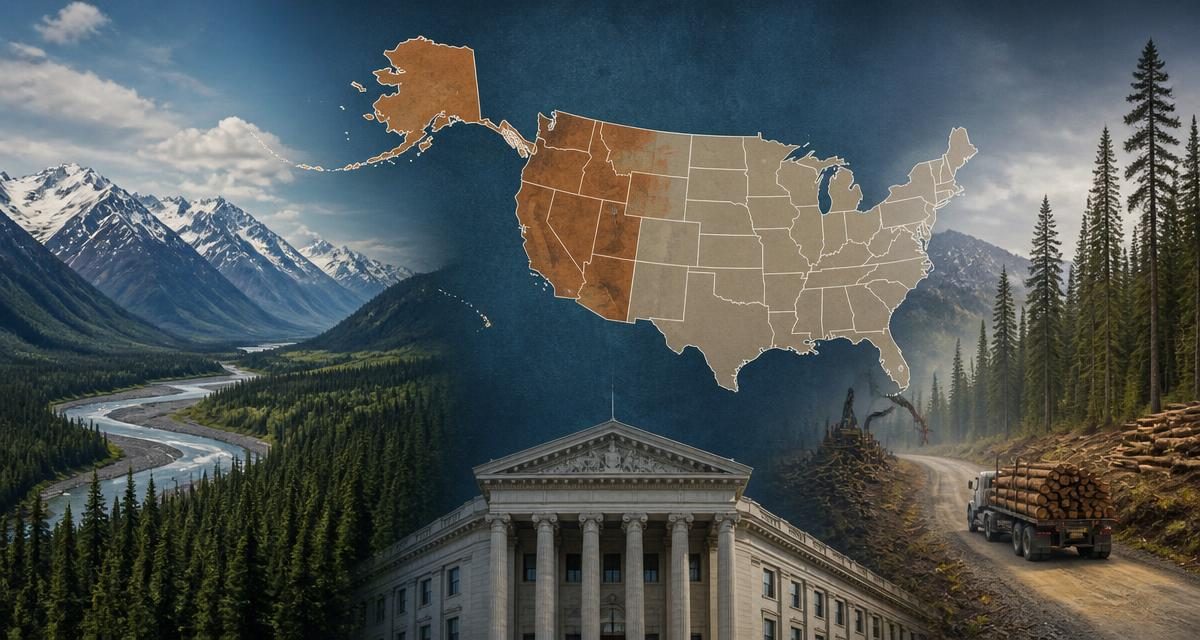
The Forest Service opened public comment on a proposed full rescission of the 2001 Roadless Rule, removing national prohibitions over roughly 45 million acres while retaining separate Colorado and Idaho rules. USDA argues local flexibility will improve forest health, wildfire mitigation, access, and economic use. The proposal itself authorizes no specific road, logging project, or emissions outcome; those would require later site-specific decisions and review.
What changed
The formal comment phase began during the coverage window, converting a previously announced policy intention into an active proposed rule supported by a draft environmental impact statement and cost-benefit analysis.
Why it matters
The rule governs one of the largest remaining categories of relatively undeveloped federal forest land and connects wildfire policy, biodiversity, tribal interests, carbon storage, mining, timber, and rural development.
What to watch next
Comments through September 21, 2026, the final EIS and rule, tribal consultation, state objections, and project-level proposals that would create measurable effects.
What we know
- The action is proposed, not final.
- Colorado and Idaho state-specific roadless rules would remain.
- Any specific ground-disturbing project would face separate legal and environmental review.
- The administration describes its broader climate approach as prioritizing energy abundance, local land management, consumer costs, and skepticism toward federal greenhouse-gas regulation.
Material unknowns
- Final-rule timing and content
- Litigation outcomes
- Actual acreage receiving roads, logging, mining, or fuel treatment
- Net wildfire, carbon, habitat, water, and fiscal effects
U.S. strategic assessment
High interestThe proposal advances the administration's deregulatory, resource-access, and wildfire-management agenda. Its practical environmental, fiscal, reliability, and industrial effects cannot be inferred from repeal alone because subsequent local projects and appropriations control implementation.
Objectives
- Restore local forest-manager discretion
- Increase access for fuel treatment and fire response
- Reduce federal barriers to timber, mining, and infrastructure
- Support rural economic activity
Strategy
- Administrative repeal through notice-and-comment rulemaking
- Maintain Colorado and Idaho state-specific rules
- Use later forest-plan and project-level decisions to determine land use
Outcomes
- A formal proposed rule and draft EIS entered public comment.
- No road, mine, timber sale, fire reduction, emissions change, or economic benefit has yet resulted from the proposal itself.
Risks
- Litigation and administrative delay
- Road-construction and maintenance liabilities
- Habitat, water-quality, carbon-stock, and tribal impacts
- Overstating wildfire benefits before project-level evidence exists
Sources
01Controlling proposed-rule text and procedural status
Administration rationale and implementation announcement
Independent report distinguishing proposal from project authorization
Local Alaska reporting on Tongass implications and procedural history
Supportive congressional framing and confirmation of comment deadline
Opposition analysis and public-comment advocacy
Regulatory agenda and review status