Iran/IRGC Rhetoric: tanker attacks rise while the Strait remains open
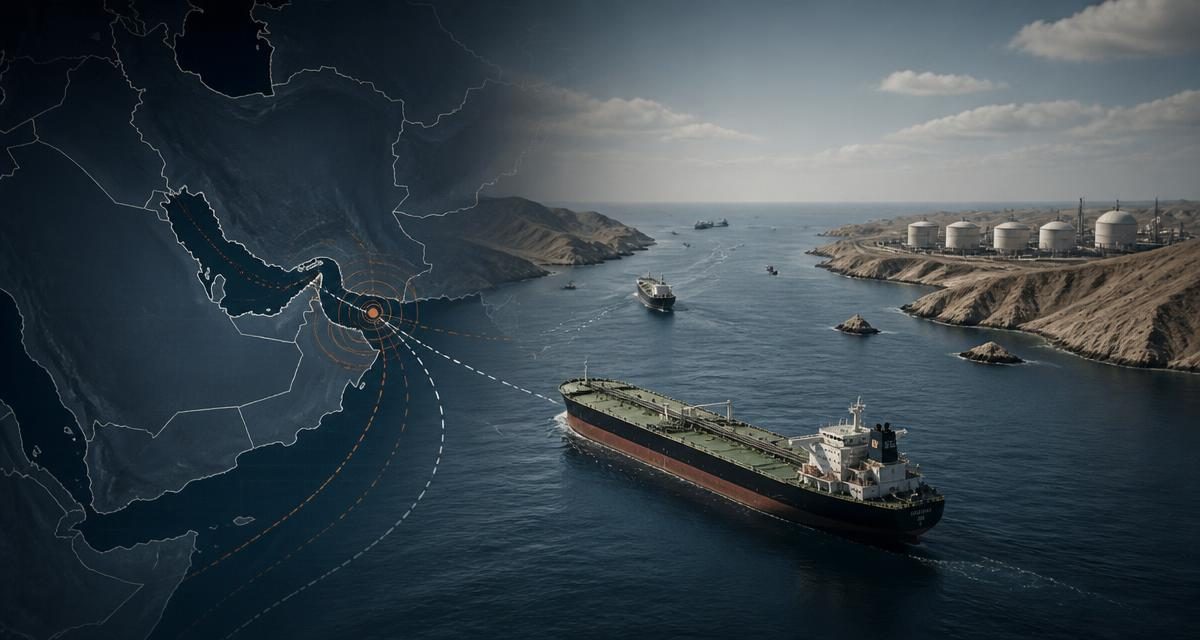
Reuters reported that at least 12 attacks, attempted attacks or harassment incidents affected tankers around the Strait of Hormuz from September 28 through October 5, the highest weekly count since the war began; the IMO had recorded nine while verification continued. On October 8, projectiles struck the chemical tanker Acers about 51 nautical miles off Qatar and maritime sources reported minor crew injuries. Iranian officials and diplomats separately threatened routes Tehran had not authorized. Secretary of State Marco Rubio said October 7 that the strait remained open.
Article updated Oct 3, 2026, 4:41 PM Pacific
Alternative routes — current use and constraints
The October 6 baseline remains: Reuters estimated September oil flows from seven Gulf producers excluding Iran at 19.2 million barrels per day, 81% of the 23.6 million-bpd prewar baseline. Saudi Arabia's energy minister said East-West Pipeline throughput reached 5.8 million barrels on October 6, while Reuters reported about 4 million bpd was being rerouted to Yanbu. Reuters also described Omani-side channels and open-water transfers with U.S. aerial support. These figures cover different periods and routes; stated capacity, observed use and sustained throughput are not interchangeable.
Iran/IRGC Rhetoric
An IRGC adviser said routes Iran calls illegal would be blocked and claimed control of the strait. Regional sources cited by Reuters described threats against newly used export routes. These are Iranian claims and reported warnings, not U.S.-verified proof that all commercial or military transit has stopped.
Verified U.S. assessment
Secretary Rubio said October 7 that the Straits of Hormuz are open. This supports the operational status used here, but it does not negate the documented attacks, lower visible traffic or continued risk to crews and cargo.
Evidence limits and assessment
The 12-incident figure combines attacks, attempts and harassment and comes from maritime-security sources cited by Reuters; the IMO count was lower at its reporting cutoff. The Iranian route warnings and descriptions of possible missile, drone or intimidation tactics are attributed statements. Commercial tracking shows fewer visible transits but excludes some protected or dark movement and cannot prove complete closure. No paired White House and CENTCOM confirmation of a complete closure was located. Inference: the residual threat to ships and new risk near Qatar raise freight, insurance and energy-price exposure even while alternative routing, U.S.-supported transit methods and the open-waterway assessment preserve meaningful flow. Iranian pressure can impede commerce without establishing complete control of the strait.
What to watch next
White House and CENTCOM escorted-transit totals; UKMTO and IMO incident verification; sustained October oil, LNG and refined-product flows; East-West and Yanbu throughput; insurance and freight costs; and independent evidence on Iranian exports and financing.
Why it matters
Inference: the residual threat to ships and new risk near Qatar raise freight, insurance and energy-price exposure even while alternative routing, U.S.-supported transit methods and the open-waterway assessment preserve meaningful flow. Iranian pressure can impede commerce without establishing complete control of the strait.
What to watch next
Escorted-transit totals, verified incident counts, sustained route volumes, crew safety, freight and insurance costs, and independently verified Iranian exports.
Material unknowns
- The 12-incident figure combines attacks, attempts and harassment and comes from maritime-security sources cited by Reuters; the IMO count was lower at its reporting cutoff. The Iranian route warnings and descriptions of possible missile, drone or intimidation tactics are attributed statements. Commercial tracking shows fewer visible transits but excludes some protected or dark movement and cannot prove complete closure. No paired White House and CENTCOM confirmation of a complete closure was located.
U.S. strategic assessment
Critical interestInference: the residual threat to ships and new risk near Qatar raise freight, insurance and energy-price exposure even while alternative routing, U.S.-supported transit methods and the open-waterway assessment preserve meaningful flow. Iranian pressure can impede commerce without establishing complete control of the strait.
Objectives
- Keep international lanes navigable.
- Deprive the regime and IRGC of oil and shadow-banking revenue.
- Protect U.S. forces, commercial shipping, allies, and Iranian civilians.
- Preserve Iranian self-determination in any political transition.
Strategy
- Use naval protection and mine clearance, a blockade of Iranian ports, named sanctions and correspondent restrictions, allied coordination, and humanitarian and information safeguards.
Risks
- The 12-incident figure combines attacks, attempts and harassment and comes from maritime-security sources cited by Reuters; the IMO count was lower at its reporting cutoff. The Iranian route warnings and descriptions of possible missile, drone or intimidation tactics are attributed statements. Commercial tracking shows fewer visible transits but excludes some protected or dark movement and cannot prove complete closure. No paired White House and CENTCOM confirmation of a complete closure was located.
Sources
01Independent reporting cross-check; government and company claims remain attributed.
Independent reporting cross-check; government and company claims remain attributed.
Independent reporting cross-check; government and company claims remain attributed.
Dated primary record; measurement, legal status and implementation are separated from claims and outcomes.
Independent reporting cross-check; government and company claims remain attributed.
Independent reporting cross-check; government and company claims remain attributed.
Dated primary record; measurement, legal status and implementation are separated from claims and outcomes.
Independent reporting cross-check; official claims and estimates remain attributed.
Independent reporting cross-check; official claims and estimates remain attributed.
Dated primary record; action or measurement is separated from implementation, outcome and inference.
Independent reporting cross-check; official claims and estimates remain attributed.
Dated primary record; measurement, allegation and procedural action are distinguished.
Dated primary record; measurement, allegation and procedural action are distinguished.
Dated official record; claims separated from independently verified outcomes.
Dated reporting or monitoring; estimates and allegations attributed.
Dated official record; claims separated from independently verified outcomes.
Dated official record; claims separated from independently verified outcomes.
Dated reporting or monitoring; estimates and allegations attributed.
Dated reporting or monitoring; estimates and allegations attributed.
Dated reporting or monitoring; estimates and allegations attributed.
Dated reporting or monitoring; estimates and allegations attributed.
Dated reporting or monitoring; estimates and allegations attributed.
Dated official record; claims separated from independently verified outcomes.
Dated official record; claims separated from independently verified outcomes.
Dated official record; claims separated from independently verified outcomes.
Dated reporting or monitoring; estimates and allegations attributed.
Dated official record; claims separated from independently verified outcomes.
Dated reporting or monitoring; estimates and allegations attributed.
Dated reporting or monitoring; estimates and allegations attributed.
Dated reporting or monitoring; estimates and allegations attributed.
Dated reporting or monitoring; estimates and allegations attributed.
Dated official record; claims separated from independently verified outcomes.
Dated official record; claims separated from independently verified outcomes.
Dated official record; claims separated from independently verified outcomes.
Dated reporting or monitoring; estimates and allegations attributed.
Dated reporting or monitoring; estimates and allegations attributed.
Dated reporting or monitoring; estimates and allegations attributed.
Dated official record; claims separated from independently verified outcomes.
Dated official record; claims separated from independently verified outcomes.
Independent reporting cross-check; estimates and claims remain attributed.
Independent reporting cross-check; sourced estimates and official allegations are attributed.
Independent reporting cross-check; sourced estimates and official allegations are attributed.
Independent reporting cross-check; attributed claims retain stated verification limits.
Independent reporting cross-check; attributed claims retain stated verification limits.
Independent reporting cross-check; attributed claims retain stated verification limits.
Independent reporting cross-check; attributed claims retain stated verification limits.
Independent reporting cross-check; attributed claims retain stated verification limits.
Independent reporting cross-check; attributed claims retain stated verification limits.
Reporting cross-check; attributed claims retain verification limits.
Reporting cross-check; attributed claims retain verification limits.
Reporting cross-check; attributed claims retain verification limits.
Reporting cross-check; attributed claims retain verification limits.
Standing CENTCOM-attributed protected-vessel and oil-transit totals.
Saudi and UAE bypass-capacity baseline.
Damage extent, prior operating flow and repair estimates.
Transfer volume, daily average, buyers and logistics limits.
Preliminary AIS observations and tracking limits.
Iranian claim and separately reported maritime incidents.