Russia/Ukraine: Kramatorsk bus-area strike follows nationwide attacks on power infrastructure
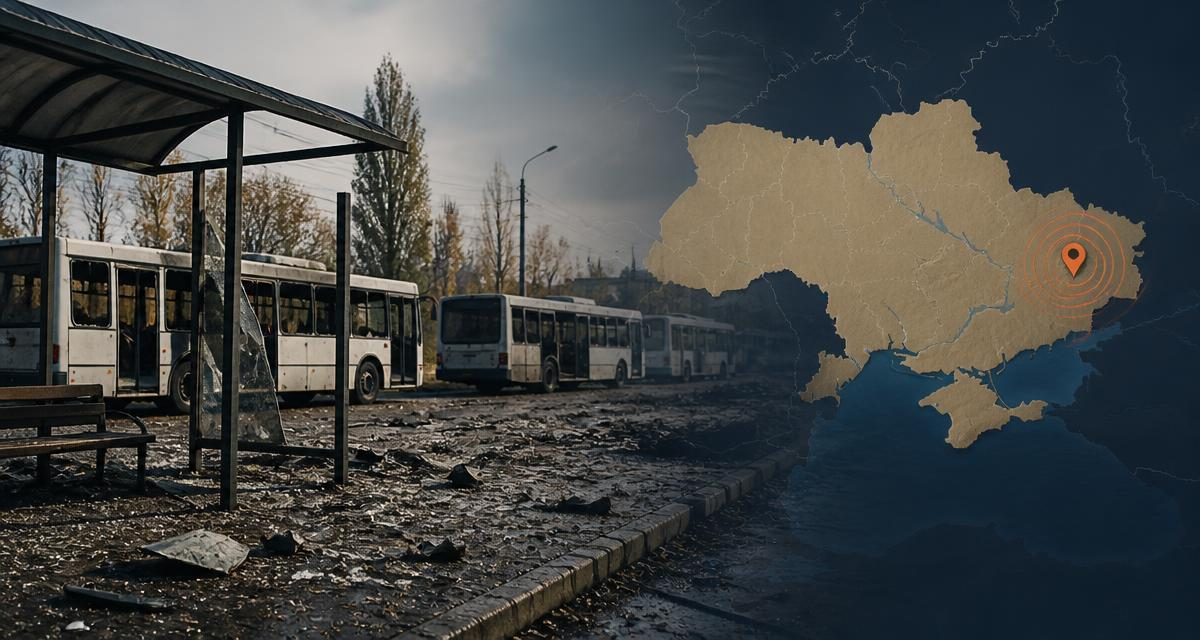
Ukrainian authorities reported that a Russian guided bomb struck beside buses in Kramatorsk on October 8, killing at least 33 civilians and wounding 18; Associated Press reported an earlier confirmed count of 30 dead and 18 wounded. Russia had not commented on that strike in the reviewed reporting. The attack followed a large October 7 Russian missile-and-drone barrage that Ukrainian authorities said killed at least 32 people, injured more than 100 and caused power cuts in five regions. Russia's Defense Ministry said that barrage targeted military-industrial facilities.
Attribution and contrary position
Ukrainian police and regional officials attributed the Kramatorsk explosion to a Russian guided bomb. Reuters and AP reported the scene and casualty counts. Moscow had not commented on the specific incident; its standing position is that Russian forces do not intentionally target civilians. The brief preserves both the event attribution and the absence of a case-specific Russian account.
Conflict status and NATO spillover
Active fighting continues without an operative ceasefire. Strikes on cities, transport and power systems are evidence of serious continuing exposure inside Ukraine. They do not by themselves establish a new direct attack on a NATO member.
Evidence limits and assessment
Casualty totals can change during rescue and identification. The Kramatorsk attribution and casualty figures come from Ukrainian authorities, with Reuters and AP providing independent reporting and imagery descriptions; Moscow had not supplied a case-specific response. Russia denies intentionally targeting civilians. The Russian military's stated target set is an official claim, not proof that civilian harm was accidental. Active fighting continues with no operative ceasefire. Inference: consecutive mass-casualty attacks and damage to power infrastructure increase civilian harm and winter resilience risks. NATO spillover remains a separate contingency; the reviewed evidence does not establish a new Russian attack on NATO territory.
What to watch next
Independent casualty and weapon verification; restoration of electricity; further attacks on civilian transport or energy systems; Ukrainian strikes and Russian-reported damage; air-defense supplies; and any formally agreed and observed ceasefire.
Why it matters
Inference: consecutive mass-casualty attacks and damage to power infrastructure increase civilian harm and winter resilience risks. NATO spillover remains a separate contingency; the reviewed evidence does not establish a new Russian attack on NATO territory.
What to watch next
Independent casualty and weapon verification, power restoration, air-defense capacity, attacks affecting civilians on both sides, and any observed ceasefire.
Material unknowns
- Casualty totals can change during rescue and identification. The Kramatorsk attribution and casualty figures come from Ukrainian authorities, with Reuters and AP providing independent reporting and imagery descriptions; Moscow had not supplied a case-specific response. Russia denies intentionally targeting civilians. The Russian military's stated target set is an official claim, not proof that civilian harm was accidental. Active fighting continues with no operative ceasefire.
U.S. strategic assessment
Critical interestInference: consecutive mass-casualty attacks and damage to power infrastructure increase civilian harm and winter resilience risks. NATO spillover remains a separate contingency; the reviewed evidence does not establish a new Russian attack on NATO territory.
Objectives
- Protect U.S. security, economic resilience, and citizens using measurable, lawful action.
Strategy
- Use primary records, allied coordination, market evidence, and independent verification to distinguish action from rhetoric.
Risks
- Casualty totals can change during rescue and identification. The Kramatorsk attribution and casualty figures come from Ukrainian authorities, with Reuters and AP providing independent reporting and imagery descriptions; Moscow had not supplied a case-specific response. Russia denies intentionally targeting civilians. The Russian military's stated target set is an official claim, not proof that civilian harm was accidental. Active fighting continues with no operative ceasefire.
Sources
01Independent reporting cross-check; government and company claims remain attributed.
Independent reporting cross-check; government and company claims remain attributed.
Independent reporting cross-check; government and company claims remain attributed.
Independent reporting cross-check; government and company claims remain attributed.
Independent reporting cross-check; official claims and estimates remain attributed.
Independent reporting cross-check; official claims and estimates remain attributed.
Attributed independent reporting.
Attributed independent reporting.
Independent reporting cross-check; official claims, estimates and observed events remain attributed.
Independent reporting cross-check; official claims, estimates and observed events remain attributed.
Original official record; publication date and measured result are separated from inference.
Independent reporting cross-check; sourced estimates and official allegations are attributed.
Independent reporting cross-check; attributed claims retain stated verification limits.
Independent reporting cross-check; attributed claims retain stated verification limits.
Independent reporting cross-check; attributed claims retain stated verification limits.
Reporting cross-check; attributed claims retain verification limits.
Reporting cross-check; attributed claims retain verification limits.
Reporting cross-check; attributed claims retain verification limits.
Official warning, intelligence attribution and evidence limits.
Presidential statements, Polish response and unresolved status.
Reported industrial effect and operator-confirmation limit.