U.S. Congress: Senate rejects cloture on the data-center grid-cost bill
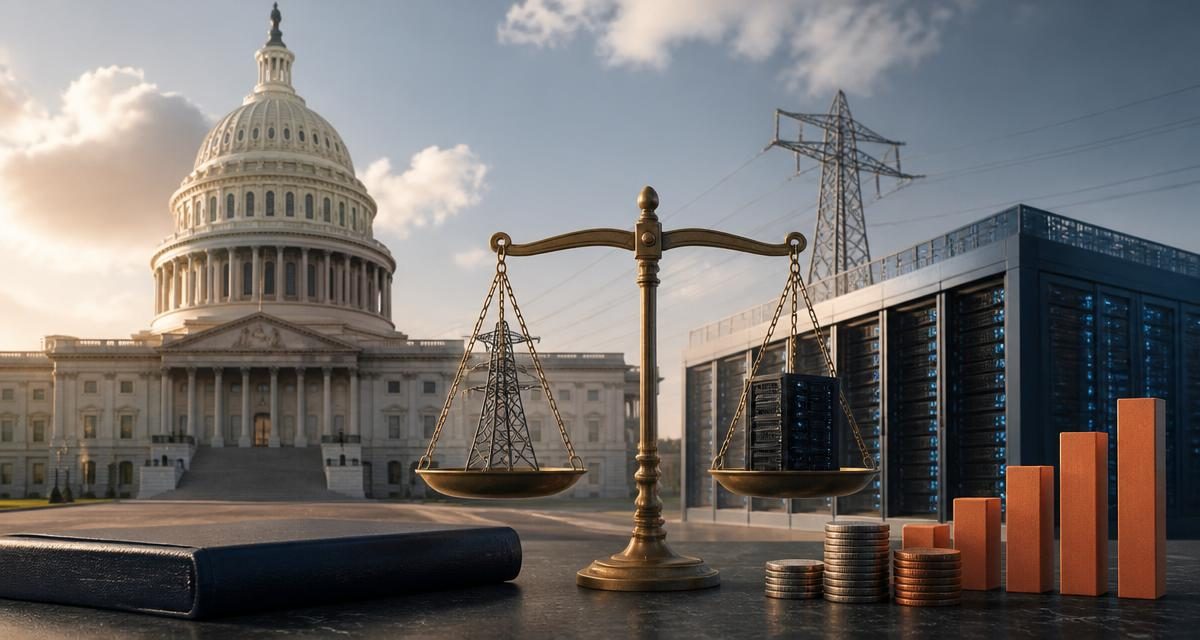
H.R. 9340 — What the legislation does
The bill proposes a standard for data centers requesting at least 100 megawatts at one site or campus. They would cover the additional cost of generation, transmission and distribution upgrades needed to serve them, provide financial assurances before construction, and remain responsible if they leave. State utility regulators and nonregulated utilities must consider the standard within one year and decide within two years. They may decline to adopt it; the bill does not impose a nationwide payment requirement.
Arguments
Supportive
Sen. Jon Husted argues that companies creating new electricity demand should pay for the infrastructure it requires, protecting families and small businesses from those costs. The proposed financial assurances address the risk of a project departing after upgrades are built. State consideration offers a route toward those protections while retaining local ratemaking decisions.
Opposition
Sen. Martin Heinrich argues that requiring consideration without requiring adoption leaves households exposed: states or utilities could reject the standard. Opponents favor enforceable cost-allocation requirements. The bill also covers only qualifying new large data-center loads, rather than every source of rising electricity bills, so adoption would not guarantee lower overall rates.
Latest status
Latest verified action: September 30, 2026. The House passed H.R. 9340 on September 16; the Senate placed it on its calendar September 24. On September 30, a 57–43 vote fell short of the 60 votes needed to end debate on taking up the bill. Senate consideration stalled; this was not a final passage vote. The bill has not become law. Status reviewed October 2, 2026.
Why it matters
Cost allocation matters because data-center upgrades can affect household electricity bills and infrastructure investment. The central policy choice is whether state discretion provides sufficient protection or a mandatory rule is needed.
What to watch next
Watch for renewed Senate consideration or amended legislation, state utility decisions, enforceable contracts and measured effects on household bills.
Material unknowns
- Actual household savings depend on adoption, utility contracts and rate decisions. No measured reduction in electricity bills is established by this proposal or its procedural votes.