Public Health / MAHA: $247.9 million in behavioral-health awards moves policy into implementation
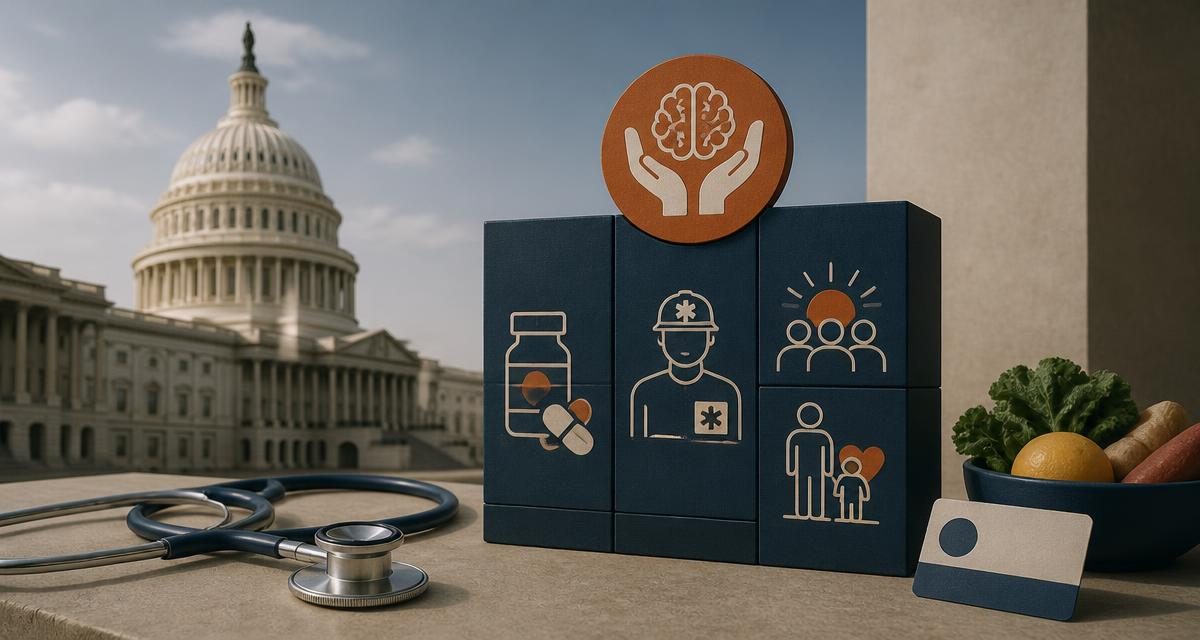
HHS announced $247.9 million in SAMHSA awards on September 25, including $69.4 million for medication treatment of opioid-use disorder, $34.6 million for first-responder overdose training, $54.9 million for Project AWARE and $41.8 million for child-trauma services. HHS separately awarded $3.5 million for fourteen tribal and urban-Indian produce-prescription pilots.
Evidence, status and limits
These are awards, not proof of expenditure or improved mortality, recovery, diet or chronic-disease outcomes. The produce pilots are capped at up to $250,000 each and require later measurement. A new HHS–EPA glyphosate memorandum improves coordination but leaves EPA as the sole FIFRA regulator and predetermines no outcome; review is expected in early 2027. Nutrition, ultra-processed foods, additives and dyes, GRAS oversight, mental health and prescribing, rural health, research, approvals, transparency and affordability remain at different proposal, implementation and measurement stages. No independently measured population-health effect is attributed to MAHA from these announcements.
Why it matters / inference
Inference: funded services and nutrition pilots can expand capacity, but delivery, access, scientific quality, conflicts disclosures and measured outcomes determine benefit.
What to watch next
Obligations and outlays; recipient performance; overdose, mental-health and nutrition outcomes; rural access; glyphosate review record; final food and GRAS rules; affordability effects.
What changed
October 1 review found no independently verified post-cutoff evidence that changed this standing assessment; underlying evidence retains its observation date.
U.S. strategic assessment
High interestInference: funded services and nutrition pilots can expand capacity, but delivery, access, scientific quality, conflicts disclosures and measured outcomes determine benefit.
Objectives
- Protect U.S. security, economic resilience, and citizens using measurable, lawful action.
Strategy
- Use primary records, allied coordination, market evidence, and independent verification to distinguish action from rhetoric.
Risks
- These are awards, not proof of expenditure or improved mortality, recovery, diet or chronic-disease outcomes. The produce pilots are capped at up to $250,000 each and require later measurement. A new HHS–EPA glyphosate memorandum improves coordination but leaves EPA as the sole FIFRA regulator and predetermines no outcome; review is expected in early 2027. Nutrition, ultra-processed foods, additives and dyes, GRAS oversight, mental health and prescribing, rural health, research, approvals, transparency and affordability remain at different proposal, implementation and measurement stages. No independently measured population-health effect is attributed to MAHA from these announcements.
Sources
01Original official record; actions, dates and measured results are kept separate.
Original official record; actions, dates and measured results are kept separate.
Original official record; actions, dates and measured results are kept separate.
Original official record; distinguishes actions from claimed outcomes.
Administration descriptions of nutrition, chronic-disease, research and affordability actions.
Appointment action and panel role.
State request, federal response and unresolved record comparison.