Nepal–Tibet catastrophe: tunnel rescue exposes the long recovery
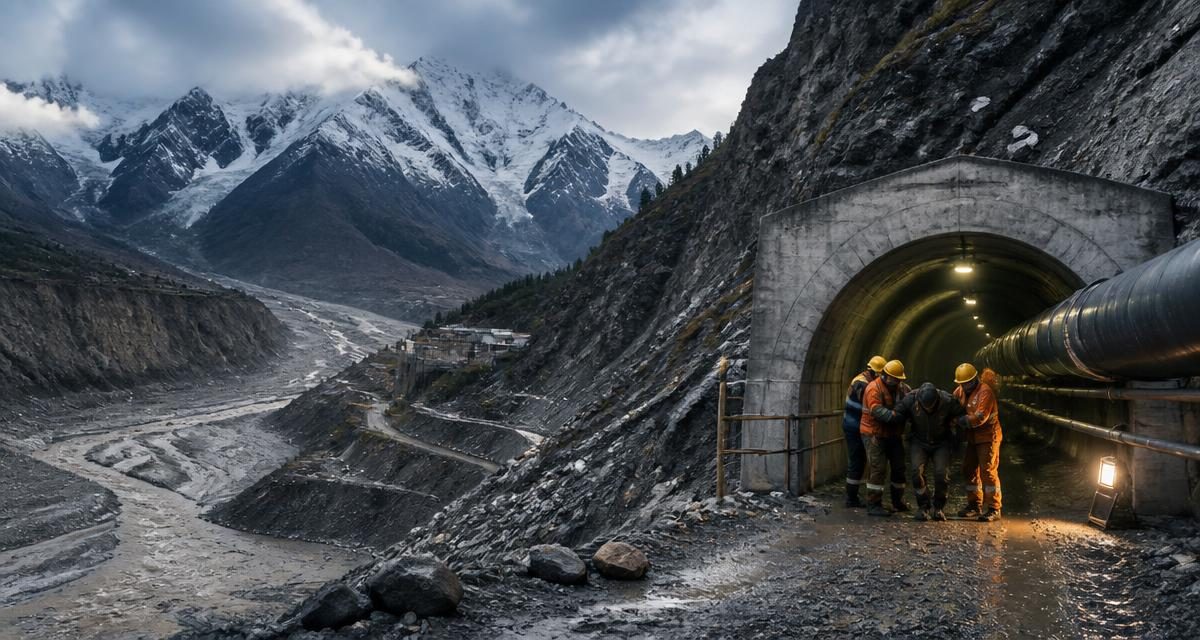
Reuters' latest account cited at least 1,300 deaths and more than 5,300 missing after the Nepal–Tibet glacier-and-bedrock collapse. A Nepali hydropower foreman survived nine days in an Upper Trishuli tunnel without food before rescue. Registry changes reflect reconciliation and do not imply reduced harm.
Central finding
- At least 1,300 deaths and more than 5,300 missing were reported.
- A hydropower worker survived nine days trapped in a tunnel.
Evidence and limits
Satellite and field evidence support an ice-rock avalanche and debris flood. Long-term warming plausibly increased background cryosphere instability, but completed event-specific attribution is unavailable.
- Registers remain subject to reconciliation.
- Completed event-specific climate attribution is unavailable.
Why it matters
Tunnel entrapment, contaminated water, hydropower losses and destruction of the China–Nepal corridor remain active regional risks.
What changed
A nine-day tunnel survival was documented while casualty and missing-person registries continued to be reconciled.
What comes next
Tunnel access, secondary impoundments, disease surveillance, DNA identification and transport and hydropower restoration.
What changed
Standing September 26 assessment retained; no independently verified material post-cutoff update was established in this scan.
U.S. strategic assessment
High interestA secondary lake failure could strike communities already isolated by destroyed roads and bridges.
Objectives
- Protect U.S. security, economic resilience, and citizens using measurable, lawful action.
Strategy
- Use primary records, allied coordination, market evidence, and independent verification to distinguish action from rhetoric.
Outcomes
- Deaths and missing-person counts rose sharply, and a new secondary-flood danger emerged.
Risks
- The final casualty count and exclusive initiating mechanism remain unresolved.
Sources
01Latest registry, rescue and infrastructure account.