Iran/IRGC Rhetoric: Saudi bypass restarts at low flow; seven-day proposal remains unsigned
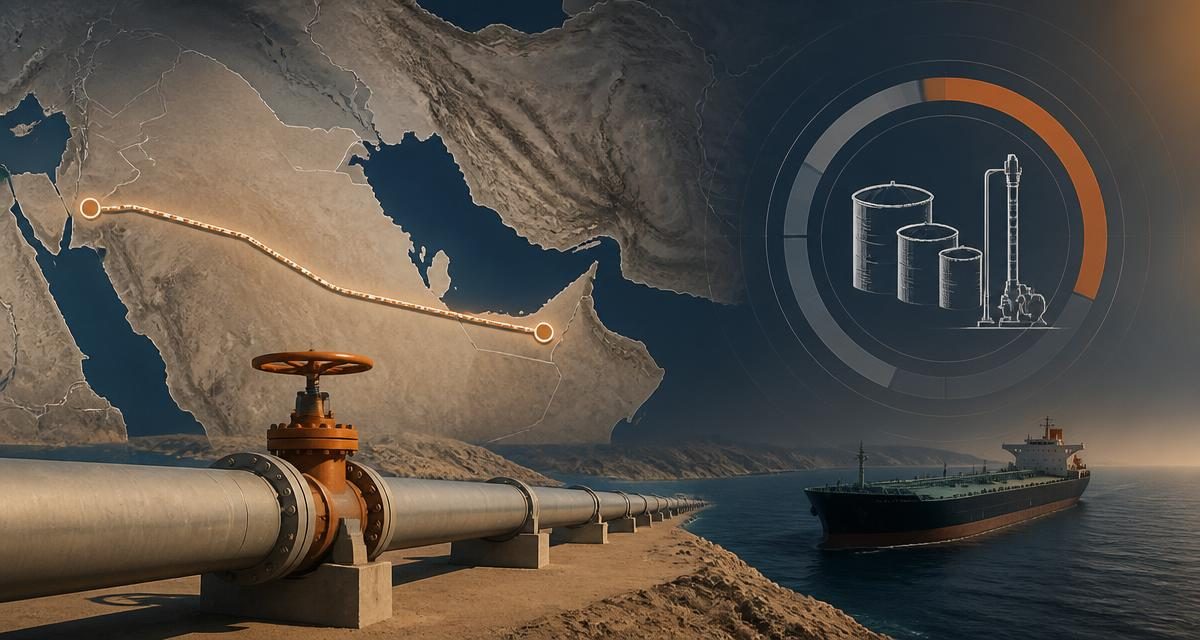
Confirmed operational change: Saudi Arabia restarted the East–West pipeline at a low rate on September 22 after the September 11 attack. Reuters reported a 7 million-barrel-per-day nameplate, a near-term target near 4 million barrels/day, roughly 40% initial operation after two days, and an estimated six to eight weeks for full restoration because three of eleven pumping stations were damaged.
Evidence, status and limits
Observed shipping disruption remains severe. Reuters counted two AIS-visible commodity vessels on September 22 versus ten the previous day and reported attacks on LR Stephanie and Al Maryah; responsibility was not established. AIS observations exclude escorted and other transponder-dark traffic and are lower bounds, never a complete transit total or proof of closure. One China-bound Yanbu cargo was scheduled, but no reliable new total quantifies oil diverted through the restored line. Earlier ship-to-ship adaptation near Oman remains an estimated maritime workaround, not pipeline capacity. Iran proposed a phased arrangement that reportedly could begin a seven-day reopening countdown, but it is unsigned and sequencing, sanctions relief and ceasefire terms remain disputed. No joint White House–CENTCOM confirmation of complete closure, and no current official escorted-transit total, was located.
Why it matters / inference
Inference: partial bypass restoration and negotiations reduce the risk of a total supply loss, but attacks, low visible traffic, damaged pumps, insurance and unresolved diplomacy keep Iran/Hormuz at Critical. Iranian proposals and threats are rhetoric or negotiating positions until implemented; verified U.S. assessments remain separate.
What to watch next
Metered East–West throughput and Yanbu liftings; repair milestones and pump bottlenecks; UAE Fujairah usable flow; signed U.S.–Iran terms; White House and CENTCOM transit assessments; attack attribution and insurer response.
U.S. strategic assessment
Critical interestInference: partial bypass restoration and negotiations reduce the risk of a total supply loss, but attacks, low visible traffic, damaged pumps, insurance and unresolved diplomacy keep Iran/Hormuz at Critical. Iranian proposals and threats are rhetoric or negotiating positions until implemented; verified U.S. assessments remain separate.
Objectives
- Keep international lanes navigable.
- Deprive the regime and IRGC of oil and shadow-banking revenue.
- Protect U.S. forces, commercial shipping, allies, and Iranian civilians.
- Preserve Iranian self-determination in any political transition.
Strategy
- Use naval protection and mine clearance, a blockade of Iranian ports, named sanctions and correspondent restrictions, allied coordination, and humanitarian and information safeguards.
Risks
- Observed shipping disruption remains severe. Reuters counted two AIS-visible commodity vessels on September 22 versus ten the previous day and reported attacks on LR Stephanie and Al Maryah; responsibility was not established. AIS observations exclude escorted and other transponder-dark traffic and are lower bounds, never a complete transit total or proof of closure. One China-bound Yanbu cargo was scheduled, but no reliable new total quantifies oil diverted through the restored line. Earlier ship-to-ship adaptation near Oman remains an estimated maritime workaround, not pipeline capacity. Iran proposed a phased arrangement that reportedly could begin a seven-day reopening countdown, but it is unsigned and sequencing, sanctions relief and ceasefire terms remain disputed. No joint White House–CENTCOM confirmation of complete closure, and no current official escorted-transit total, was located.
Sources
01Independent reporting cross-check; attributed claims retain stated verification limits.
Independent reporting cross-check; attributed claims retain stated verification limits.
Independent reporting cross-check; attributed claims retain stated verification limits.
Independent reporting cross-check; attributed claims retain stated verification limits.
Reporting cross-check; attributed claims retain verification limits.
Reporting cross-check; attributed claims retain verification limits.
Reporting cross-check; attributed claims retain verification limits.
Reporting cross-check; attributed claims retain verification limits.
Standing CENTCOM-attributed protected-vessel and oil-transit totals.
Saudi and UAE bypass-capacity baseline.
Damage extent, prior operating flow and repair estimates.
Transfer volume, daily average, buyers and logistics limits.
Preliminary AIS observations and tracking limits.
Iranian claim and separately reported maritime incidents.