Iran/IRGC Rhetoric: tanker injury and disrupted routes coexist with continuing oil flows
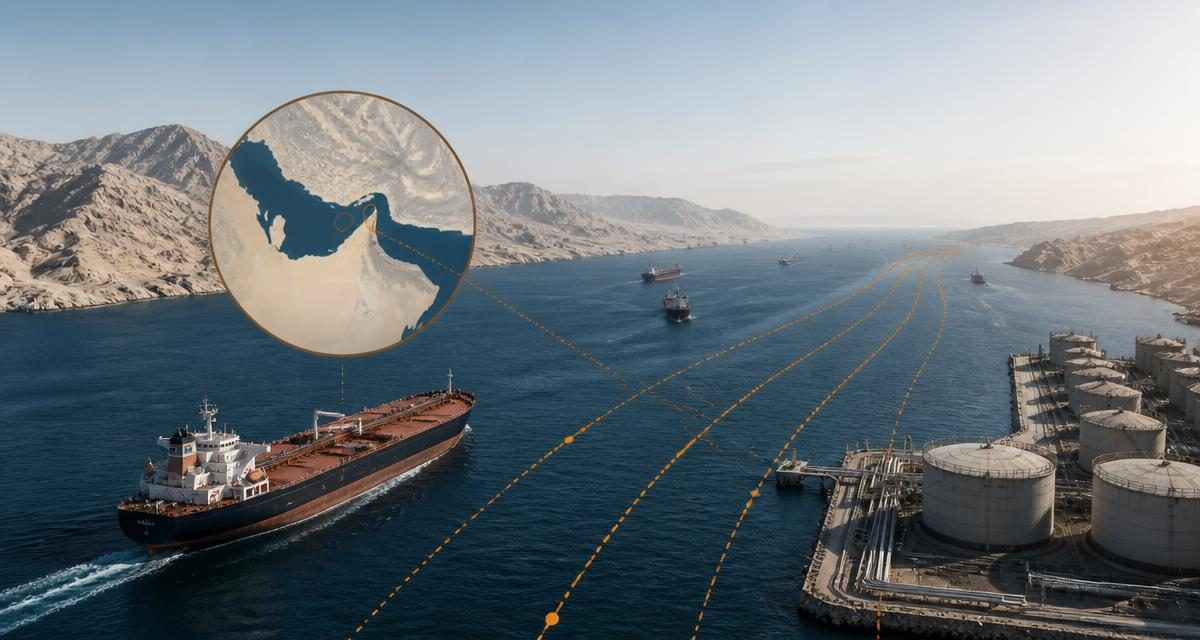
Observed disruption: AP reports a tanker hit by an unidentified projectile on September 21, injuring two crew; attribution remains unresolved. Reuters reports 17 AIS-visible commodity transits over the weekend. These observations are lower bounds, not total traffic or evidence of complete closure.
Evidence, status and limits
Iran/IRGC Rhetoric remains separate from verified U.S. assessments. MarketWatch attributes a six-month oil-flow high and over one billion barrels facilitated in recent months to CENTCOM commander Brad Cooper; these are reported official assessments, not an independently reconciled vessel census. Direct current CENTCOM totals were not retrieved. No joint White House–CENTCOM confirmation of closure was verified. Reuters analysis estimates September ship-to-ship transfers near Oman at 2.5 million barrels/day versus 1.4 million in August: estimated maritime adaptation, not new pipeline capacity. These Gulf cargoes still cross Hormuz. The Saudi East–West bypass has no verified restored usable flow; the prior 4–5 million barrels/day operating loss and uncertain repair timeline remain the baseline. UAE Fujairah nameplate capacity is about 1.8 million barrels/day, not proof of an incremental usable flow. No reliable new overland-diversion total was found.
Why it matters / inference
Inference: continued exports mitigate supply loss, while attacks, insurance, escort needs and transfer capacity sustain critical security and cost risk. Sparse AIS and high reported oil volumes can coexist because vessel sizes and transponder visibility differ.
What to watch next
Operator-confirmed Saudi restart and metered flow; UAE throughput; escorted-vessel totals; transfer bottlenecks; injury and attack attribution; White House and CENTCOM assessments.
U.S. strategic assessment
Critical interestInference: continued exports mitigate supply loss, while attacks, insurance, escort needs and transfer capacity sustain critical security and cost risk. Sparse AIS and high reported oil volumes can coexist because vessel sizes and transponder visibility differ.
Objectives
- Keep international lanes navigable.
- Deprive the regime and IRGC of oil and shadow-banking revenue.
- Protect U.S. forces, commercial shipping, allies, and Iranian civilians.
- Preserve Iranian self-determination in any political transition.
Strategy
- Use naval protection and mine clearance, a blockade of Iranian ports, named sanctions and correspondent restrictions, allied coordination, and humanitarian and information safeguards.
Risks
- Iran/IRGC Rhetoric remains separate from verified U.S. assessments. MarketWatch attributes a six-month oil-flow high and over one billion barrels facilitated in recent months to CENTCOM commander Brad Cooper; these are reported official assessments, not an independently reconciled vessel census. Direct current CENTCOM totals were not retrieved. No joint White House–CENTCOM confirmation of closure was verified. Reuters analysis estimates September ship-to-ship transfers near Oman at 2.5 million barrels/day versus 1.4 million in August: estimated maritime adaptation, not new pipeline capacity. These Gulf cargoes still cross Hormuz. The Saudi East–West bypass has no verified restored usable flow; the prior 4–5 million barrels/day operating loss and uncertain repair timeline remain the baseline. UAE Fujairah nameplate capacity is about 1.8 million barrels/day, not proof of an incremental usable flow. No reliable new overland-diversion total was found.
Sources
01Reporting cross-check; attributed claims retain verification limits.
Reporting cross-check; attributed claims retain verification limits.
Reporting cross-check; attributed claims retain verification limits.
Reporting cross-check; attributed claims retain verification limits.
Standing CENTCOM-attributed protected-vessel and oil-transit totals.
Saudi and UAE bypass-capacity baseline.
Damage extent, prior operating flow and repair estimates.
Transfer volume, daily average, buyers and logistics limits.
Preliminary AIS observations and tracking limits.
Iranian claim and separately reported maritime incidents.