Nepal–Tibet catastrophe: toll rises as tunnel rescue becomes central
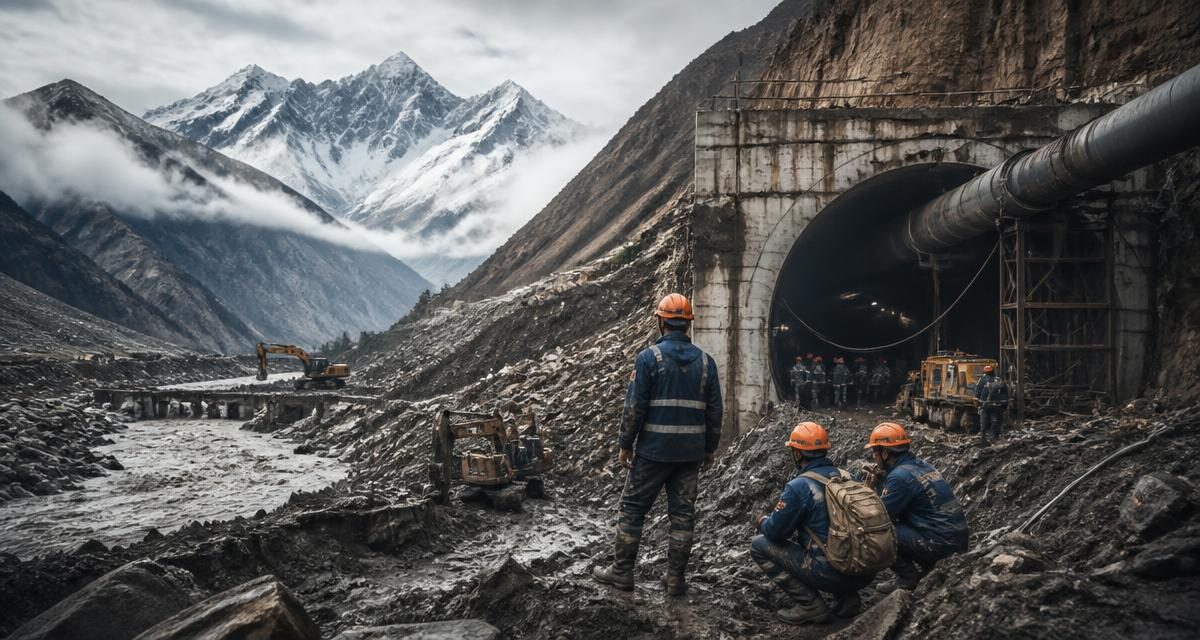
The Nepal–Tibet disaster toll rose to at least 1,399 dead and more than 5,400 missing. Nepalese rescuers focused on three hydropower tunnel systems where 121 missing workers may be trapped. Four people had been rescued from tunnel-related sites, but mud, damaged infrastructure and unstable terrain continued to constrain access and casualty reconciliation.
Central finding
- At least 1,399 people were reported dead and more than 5,400 missing.
- Authorities believe 121 missing hydropower workers may be trapped in three tunnel systems.
Evidence and limits
Reuters provides dated, cross-border totals and named rescue sites. Missing-person registers remain fluid, may contain duplication and do not establish how many people are alive or trapped.
- Missing-person counts are not confirmed deaths and remain subject to reconciliation.
- The degree to which climate change, engineering, warning failures or other factors contributed requires a separate technical investigation.
Why it matters
The increasing toll and possible tunnel entrapment make this both a mass-casualty emergency and a critical-infrastructure failure with cross-border, hydropower and climate-risk implications.
What changed
The reported toll increased to 1,399 deaths and more than 5,400 missing; rescuers prioritized three hydropower tunnel systems and 121 possibly trapped workers.
What comes next
Tunnel access and life signs; reconciled Nepalese and Chinese registries; foreign-national identification; secondary landslides; shelter and water; and independent review of glacier, warning and infrastructure failures.
U.S. strategic assessment
High interestA secondary lake failure could strike communities already isolated by destroyed roads and bridges.
Objectives
- Protect U.S. security, economic resilience, and citizens using measurable, lawful action.
Strategy
- Use primary records, allied coordination, market evidence, and independent verification to distinguish action from rhetoric.
Outcomes
- Deaths and missing-person counts rose sharply, and a new secondary-flood danger emerged.
Risks
- The final casualty count and exclusive initiating mechanism remain unresolved.
Sources
01Updated toll, missing workers, rescue sites and access constraints.