Nepal–Tibet catastrophe: deaths exceed 1,300 and nearly 5,000 remain missing
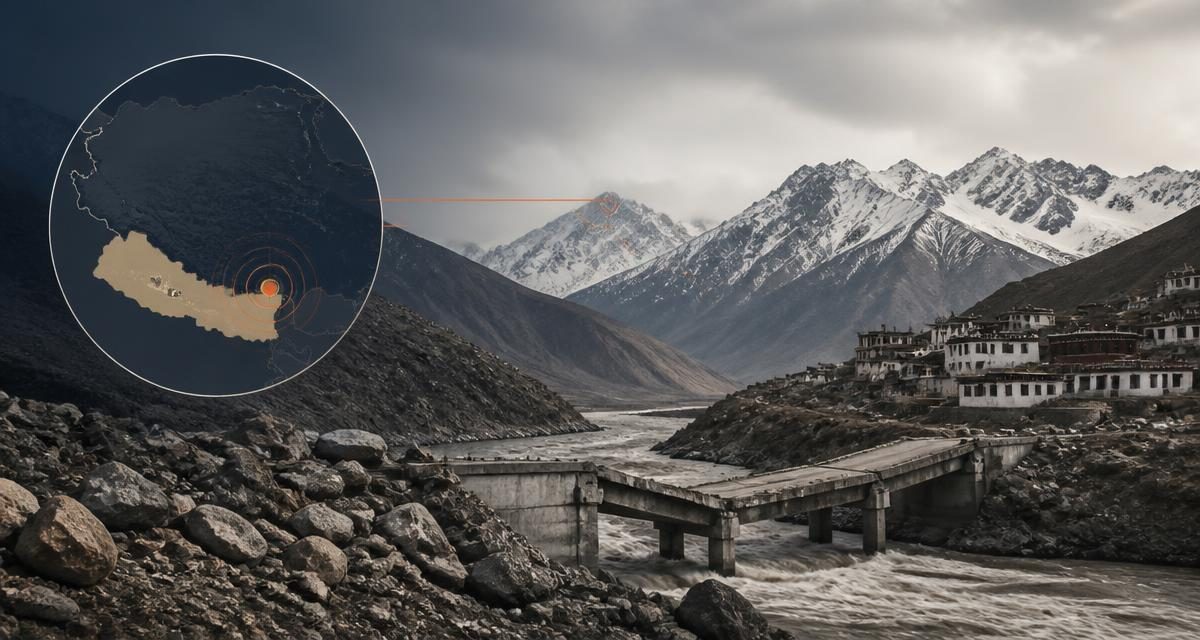
The verified toll rose above 1,300 dead with nearly 5,000 people missing. At Gyirong on the Chinese side, authorities reported 43 deaths and 519 missing, including 261 foreign nationals from 23 countries. Search access improved, but destroyed infrastructure, unstable terrain and disputed information-sharing continue to impede reconciliation of the casualty lists.
Central finding
Nepalese authorities reported at least 579 deaths in Nepal, additional deaths in Tibet, more than 2,400 people missing, and at least $4 billion in initial reconstruction needs. Communications failures make the missing-person registry especially uncertain.
- Nepal reported at least 579 deaths.
- Initial reconstruction needs were estimated at no less than $4 billion.
Evidence and limits
The catastrophic scale and Nepal figures are well supported, but missing-person totals and Tibet access remain incomplete. Current evidence favors a glacier-and-bedrock collapse without establishing one exclusive trigger.
- The missing-person registry may contain duplication and will change as communications recover.
- Foreign access to Tibetan impact zones remains limited.
Why it matters
A secondary lake failure could strike communities already isolated by destroyed roads and bridges.
What changed
Reported casualties, missing persons, and reconstruction costs increased.
What comes next
Controlled lake drainage, reconciled casualty totals, hydropower losses, and rescue access.
What changed
The death toll exceeded 1,300 and the missing-person count approached 5,000; Gyirong reported 261 missing foreign nationals from 23 countries.
Why it matters
The disaster threatens lives, drinking water, hydropower output, cultural communities, and regional energy security.
What to watch next
Reconciled national registries, foreign-casualty identification, secondary landslides, shelter and water access, and independent assessment of warning and information systems.
What we know
- More than 1,300 people were reported dead.
- Nearly 5,000 remained missing.
- Chinese authorities listed 261 missing foreign nationals from 23 countries.
Material unknowns
- Registers remain subject to duplication and survivor identification.
- Information access and cross-border data sharing remain contested.
U.S. strategic assessment
High interestA secondary lake failure could strike communities already isolated by destroyed roads and bridges.
Objectives
- Protect U.S. security, economic resilience, and citizens using measurable, lawful action.
Strategy
- Use primary records, allied coordination, market evidence, and independent verification to distinguish action from rhetoric.
Outcomes
- Deaths and missing-person counts rose sharply, and a new secondary-flood danger emerged.
Risks
- The final casualty count and exclusive initiating mechanism remain unresolved.
Sources
01Updated deaths, missing persons, foreign-national registry and access constraints.