DRC Ebola: deaths exceed 3,000 as WHO urges a larger response
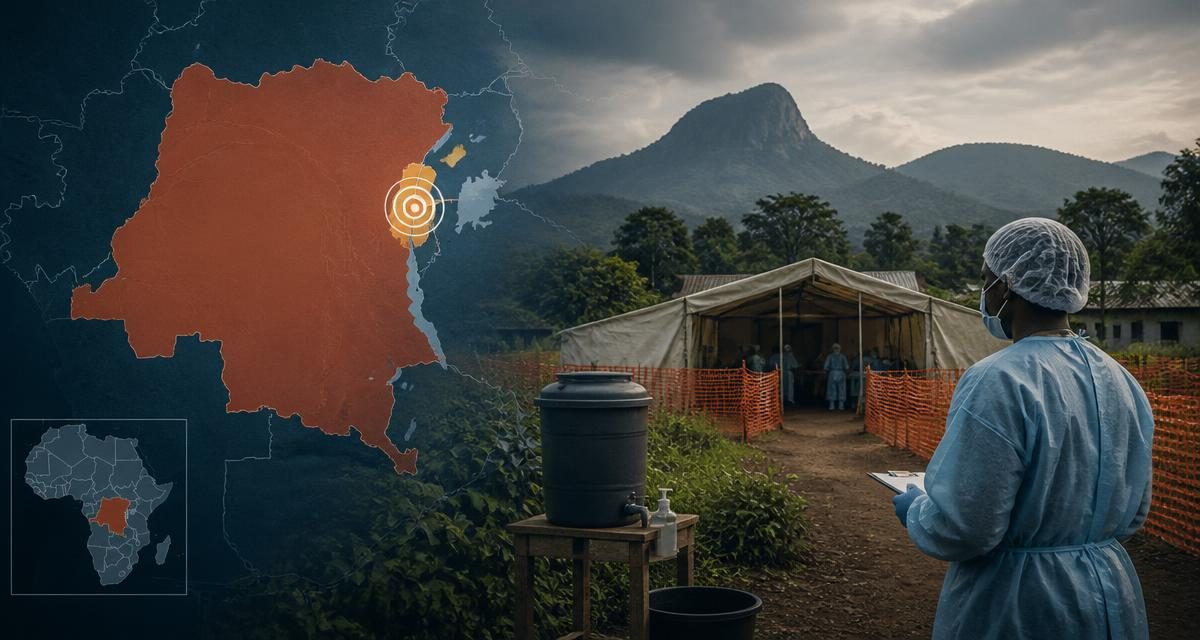
DRC government figures reached 6,186 confirmed Bundibugyo Ebola cases and 3,007 deaths, making this the country's deadliest Ebola outbreak. WHO said unknown transmission chains and unsafe burials remain major constraints and called for the response to be scaled up. Roughly 60% of deaths were reported outside treatment centers; no approved strain-specific vaccine or treatment is available.
Central finding
WHO reported 5,794 confirmed DRC Bundibugyo Ebola cases and 2,786 deaths across 60 health zones, up from 54. Some of the increase reflects testing and backlog reconciliation, but continuing transmission and geographic expansion are also responsible.
- WHO reported 5,794 confirmed DRC cases and 2,786 deaths as of August 26.
- Sixty health zones in six provinces were affected.
Evidence and limits
The figures come from WHO's August 28 primary outbreak report. Surveillance still lags insecure or inaccessible areas.
- Backlog reconciliation and current transmission both contributed to the increase.
- Ervebo protection against Bundibugyo virus in humans is not established.
Why it matters
Improvement in Uganda does not indicate that transmission inside the DRC is controlled.
What changed
WHO added 1,129 confirmed cases and 602 deaths since August 14 and raised affected health zones from 54 to 60.
What comes next
New case totals, exported infections, health-worker exposure, and candidate countermeasure trials.
What changed
Government totals rose to 6,186 cases and 3,007 deaths; WHO publicly called for a larger response and highlighted missing transmission chains.
Why it matters
Unidentified transmission and delayed care allow continued spread within conflict-affected provinces and increase cross-border risk.
What to watch next
WHO reconciliation, contact-tracing coverage, safe-burial rates, frontline-worker vaccination data, treatment trials, funding for the response plan and cross-border cases.
What we know
- DRC government figures reported 6,186 confirmed cases and 3,007 deaths.
- WHO called for a scaled-up response.
- About 60% of reported deaths occurred outside treatment centers.
Material unknowns
- The newest national totals await detailed WHO reconciliation.
- Existing Zaire-strain vaccine use among frontline workers does not establish effectiveness against Bundibugyo virus.
- Unknown transmission chains prevent a complete estimate of outbreak size.
U.S. strategic assessment
High interestImprovement in Uganda does not indicate that transmission inside the DRC is controlled.
Objectives
- Protect U.S. security, economic resilience, and citizens using measurable, lawful action.
Strategy
- Use primary records, allied coordination, market evidence, and independent verification to distinguish action from rhetoric.
Outcomes
- Uganda completed enhanced monitoring while the DRC outbreak remained critical.
Risks
- Current field totals may lag inaccessible areas.
Sources
01Government case and death totals, geographic spread and treatment-center context.
WHO assessment of transmission, burials, response needs and funding gap.
Standing WHO outbreak definition, virology and response baseline.