Russia/NATO: Missile attacks intensify as Patriot readiness becomes disputed
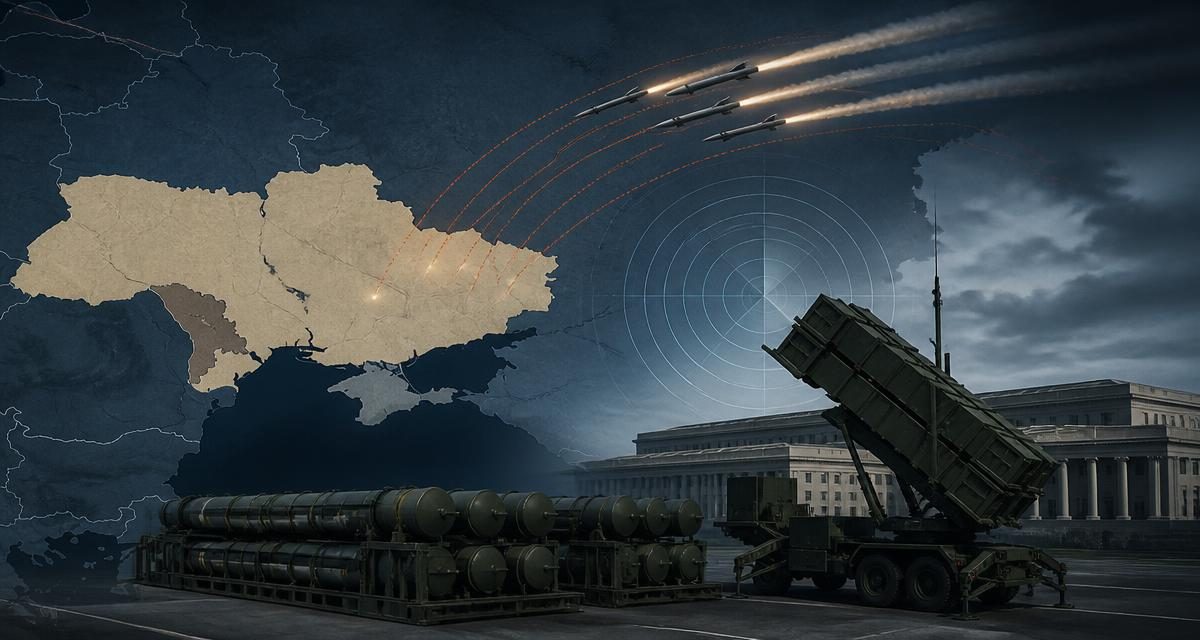
Russia launched a prolonged missile-and-drone attack, Ukraine reported major interceptions and infrastructure damage, and Moldova reported six Russian drones entering its airspace. Separate reporting describes Patriot-interceptor availability in Europe as dangerously low; the Pentagon disputes that characterization.
Central finding
- Ukraine reported intercepting seven missiles and 258 drones.
- A Kherson thermal-power plant was reported destroyed.
Evidence and limits
The attack and reported cross-border drone activity are well documented. Exact interceptor inventories are classified, and knowledgeable-source reporting conflicts with the Pentagon's public position.
- The precise U.S. and European Patriot inventory is classified.
- The Pentagon rejects the report that the shortage is critical.
Why it matters
Simultaneous European and Middle Eastern missile-defense demands may weaken U.S. and NATO surge capacity.
What changed
Russia intensified strikes while the public dispute over allied interceptor depth became more acute.
What comes next
NATO or Pentagon confirmation, procurement acceleration, European missile production, and further incursions near NATO territory.
U.S. strategic assessment
Critical interestSimultaneous European and Middle Eastern missile-defense demands may weaken U.S. and NATO surge capacity.
Objectives
- Protect U.S. security, economic resilience, and citizens using measurable, lawful action.
Strategy
- Use primary records, allied coordination, market evidence, and independent verification to distinguish action from rhetoric.
Outcomes
- Russia intensified strikes while the public dispute over allied interceptor depth became more acute.
Risks
- The precise U.S. and European Patriot inventory is classified.
- The Pentagon rejects the report that the shortage is critical.
Sources
01Independent reporting and cross-check
Independent reporting and cross-check