Nepal–Tibet disaster worsens as new lakes threaten further flooding
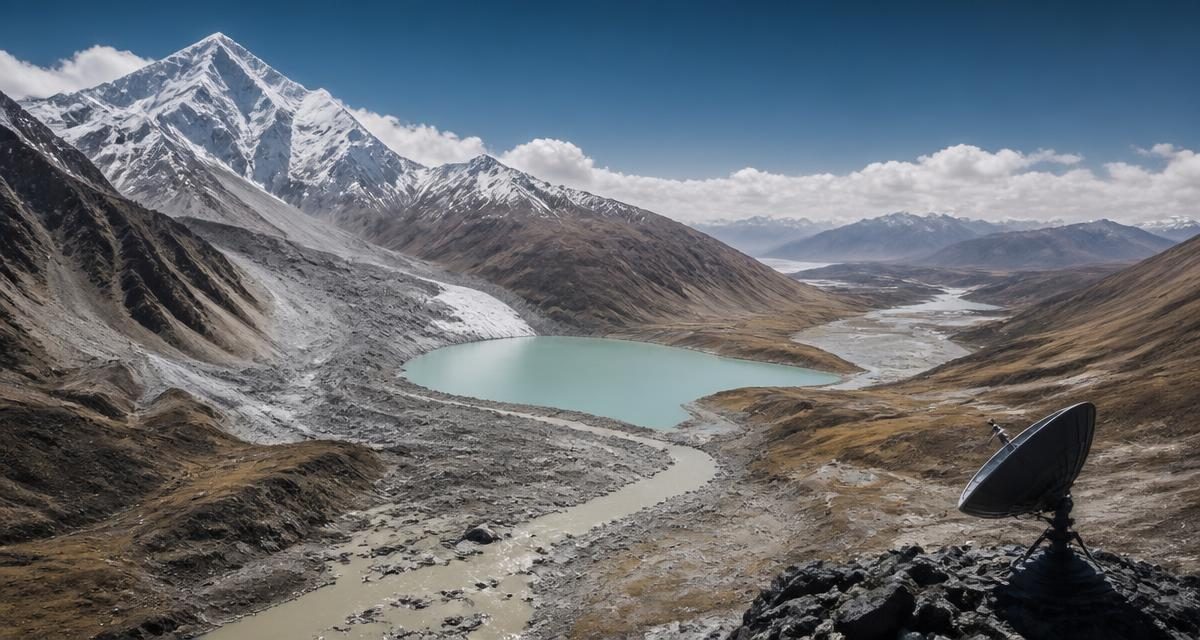
Nepal's reported death toll rose to about 469, nearly 1,000 people remained missing across Nepal and Tibet, and newly formed lakes created secondary-flood risk. Current evidence favors an ice-rock avalanche and debris flood, but investigators have not established one exclusive trigger.
Central finding
- Approximately 469 deaths were reported in Nepal.
- Nearly 1,000 people were reported missing across Nepal and Tibet.
Evidence and limits
Casualty reporting and satellite evidence support the disaster assessment. Counts remain fluid, and precise causation is still under investigation.
- The final casualty count and exclusive initiating mechanism remain unresolved.
Why it matters
A secondary lake failure could strike communities already isolated by destroyed roads and bridges.
What changed
Deaths and missing-person counts rose sharply, and a new secondary-flood danger emerged.
What comes next
Controlled lake drainage, reconciled casualty totals, hydropower losses, and rescue access.
U.S. strategic assessment
High interestA secondary lake failure could strike communities already isolated by destroyed roads and bridges.
Objectives
- Protect U.S. security, economic resilience, and citizens using measurable, lawful action.
Strategy
- Use primary records, allied coordination, market evidence, and independent verification to distinguish action from rhetoric.
Outcomes
- Deaths and missing-person counts rose sharply, and a new secondary-flood danger emerged.
Risks
- The final casualty count and exclusive initiating mechanism remain unresolved.
Sources
01Independent reporting and cross-check
Independent reporting and cross-check