U.S. Alliances, Objectives & Unresolved Issues
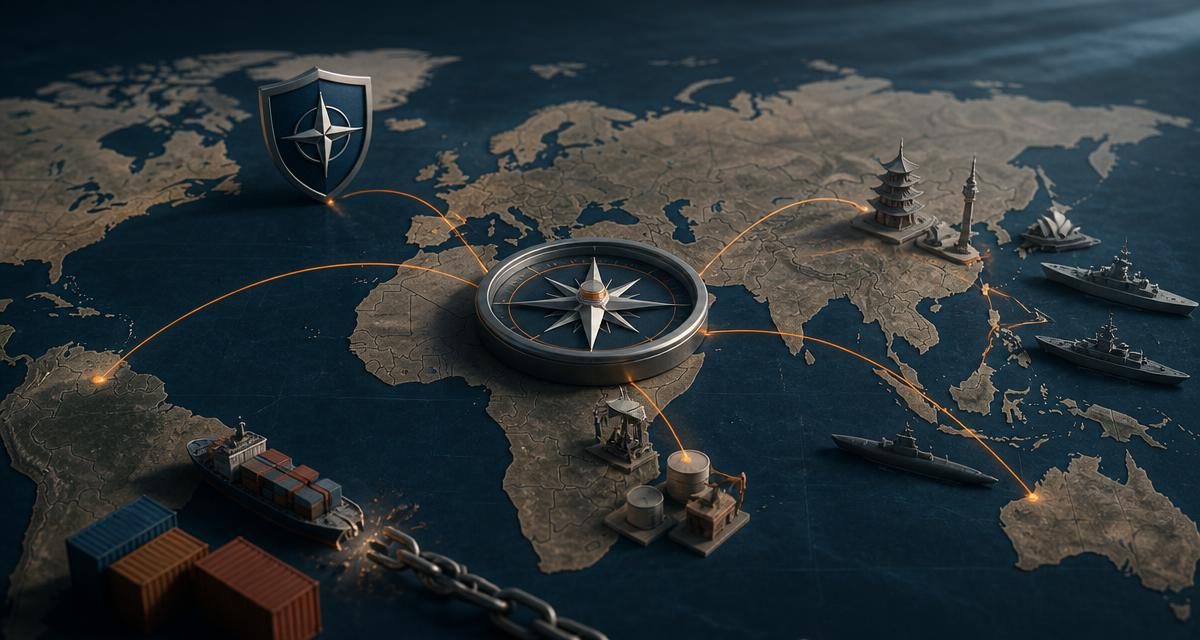
No single 24-hour alliance event displaced Iran or Canada, but the standing network faces simultaneous pressure. NATO remains the principal treaty structure against Russian aggression; Japan, South Korea, Australia and the Philippines support Indo-Pacific access and deterrence; AUKUS and the Quad are partnerships rather than mutual-defense treaties. Israel and Gulf partners share concern about Iran but differ on escalation and economic exposure. Canada's trade rupture illustrates that allied security relationships and commercial objectives are not identical.
What changed
No material structural alliance change was verified in the 24-hour window; Iran and Canada increased stress on coordination.
Why it matters
U.S. deterrence depends on allied access, munitions, industrial capacity and political consent, not communiques alone.
What to watch next
NATO force and spending records, Indo-Pacific exercises, allied Iran measures and resolution of trade disputes.
What we know
- NATO and bilateral treaty alliances remain legally distinct from AUKUS, the Quad and ad hoc coalitions.
- Allies share some U.S. threat assessments but differ on escalation, tariffs, sanctions exposure and war termination.
- Iran/Hormuz and Canada trade conflict show that security alignment does not eliminate economic disputes.
Material unknowns
- Classified readiness and munitions inventories
- Allied willingness in simultaneous contingencies
- Durability of political support
U.S. strategic assessment
Critical interestThe administration seeks greater allied burden sharing, access and alignment. Observed gains are stronger where exercises, basing or procurement are implemented; tariff and escalation disputes create offsetting friction.
Objectives
- Deter attacks on the United States and allies
- Increase allied defense contributions
- Secure basing and industrial cooperation
- Align export controls, sanctions and supply chains
Strategy
- Treaty deterrence
- Forward posture and exercises
- Arms sales and industrial cooperation
- Sanctions, export controls and burden-sharing pressure
Outcomes
- Treaty structures remain intact
- Operational cooperation continues
- Unresolved burden-sharing and trade conflicts persist
Risks
- Munitions and air-defense shortages
- Entrapment or abandonment concerns
- Trade disputes weakening political cohesion
- Divergent end states in Iran and Russia conflicts
Sources
01Treaty, posture and alliance records
Force posture, exercises and assistance
Treaty and diplomatic objectives
Independent cross-border reporting
Conservative challenge on burden sharing and sovereignty when materially covered
Conservative U.S. security and alliance framing when materially covered