Russian mass strikes expose Ukraine’s continuing Patriot-interceptor shortage
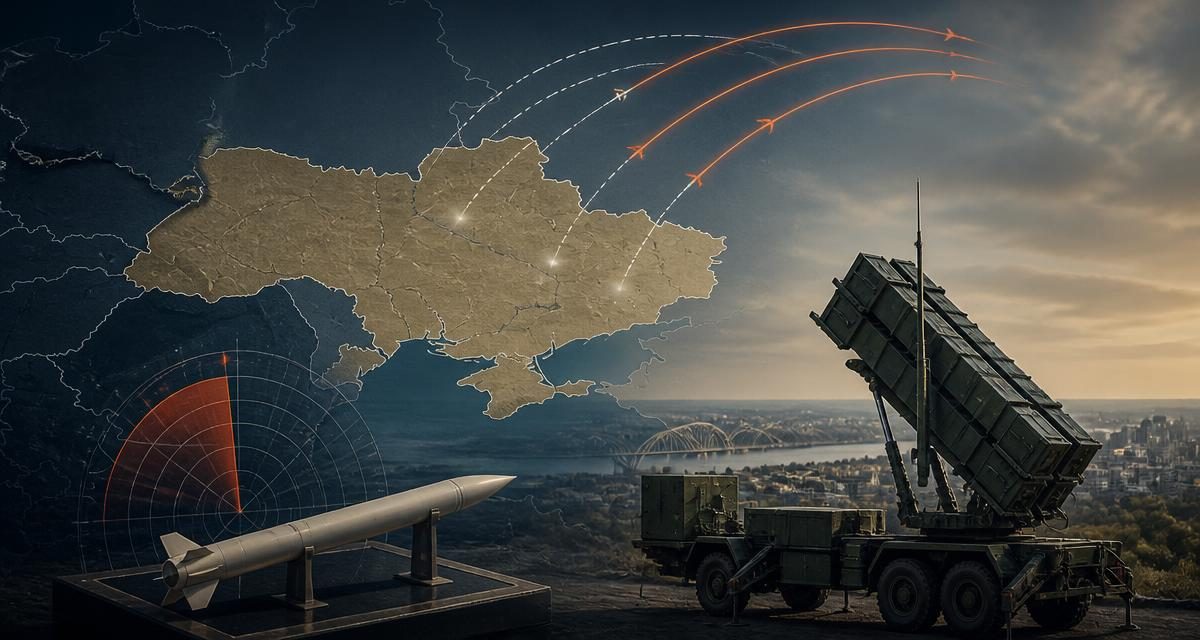
After a large Russian missile and drone attack killed at least 17 people in Kyiv and surrounding areas, Ukrainian officials again argued that insufficient Patriot interceptors were costing lives. Russia separately signaled willingness to hear settlement proposals only if they reflected battlefield realities, offering no verified shift in its underlying demands.
What changed
The immediate development was renewed focus on the gap between large Russian strike packages and Ukraine’s supply of high-end interceptors, while Moscow’s diplomatic language continued to demand recognition of conditions created by force.
Why it matters
Ukraine’s ability to intercept ballistic missiles affects civilian survival, infrastructure resilience and the credibility of Western security assistance. Interceptor allocation also competes with U.S. requirements in the Middle East and Indo-Pacific.
What to watch next
U.S. and European Patriot transfers; interceptor-production rates; Russian ballistic-missile tempo; Ukrainian energy-grid damage; any concrete ceasefire proposal rather than rhetorical openness.
What we know
- Russia launched a large combined missile and drone attack against Ukraine.
- At least 17 deaths and more than 40 injuries were reported in Kyiv and the surrounding region.
- Ukraine says Patriot systems are its available defense against Russian ballistic missiles.
- Russia said new proposals must reflect realities on the ground.
Material unknowns
- Precise interception rates for ballistic and hypersonic missiles.
- Current allied interceptor inventories and delivery schedules.
- Whether Moscow’s stated openness represents negotiating flexibility or messaging intended to formalize territorial gains.
U.S. strategic assessment
High interestThe United States seeks to prevent Russian domination of Ukraine, sustain NATO deterrence and avoid direct NATO-Russia war. Actual strategy relies on arms, intelligence, sanctions and diplomacy, but high-end air-defense demand now competes with Middle East commitments and U.S. stockpile requirements.
Objectives
- Preserve a sovereign and defensible Ukraine.
- Deter broader Russian aggression against NATO members.
- Prevent uncontrolled escalation or direct nuclear-power conflict.
- Maintain allied burden-sharing.
Strategy
- Selective supply and replenishment of air-defense systems.
- Sanctions and export controls on Russia.
- Intelligence and training support.
- Diplomatic engagement aimed at an eventual settlement.
Outcomes
- Ukraine remains able to contest the war but lacks sufficient high-end interceptors for every strike.
- Russia retains capacity for large combined attacks.
- No verified settlement framework has reconciled Ukrainian sovereignty with Russia’s territorial demands.
Risks
- Interceptor competition with U.S. Middle East and Indo-Pacific needs.
- Alliance fatigue and unequal burden sharing.
- Russian escalation against supply routes or NATO territory.
- A settlement that freezes gains without credible deterrence.
Sources
01Independent international reporting on attack, casualties and Ukrainian claims
Independent cross-check of Russian diplomatic position
Country-based regional publication carrying Reuters material; not counted as independent corroboration
Primary Ukrainian institutional source for defense statements
Primary allied-policy context