U.S. Alliances, Objectives & Unresolved Issues
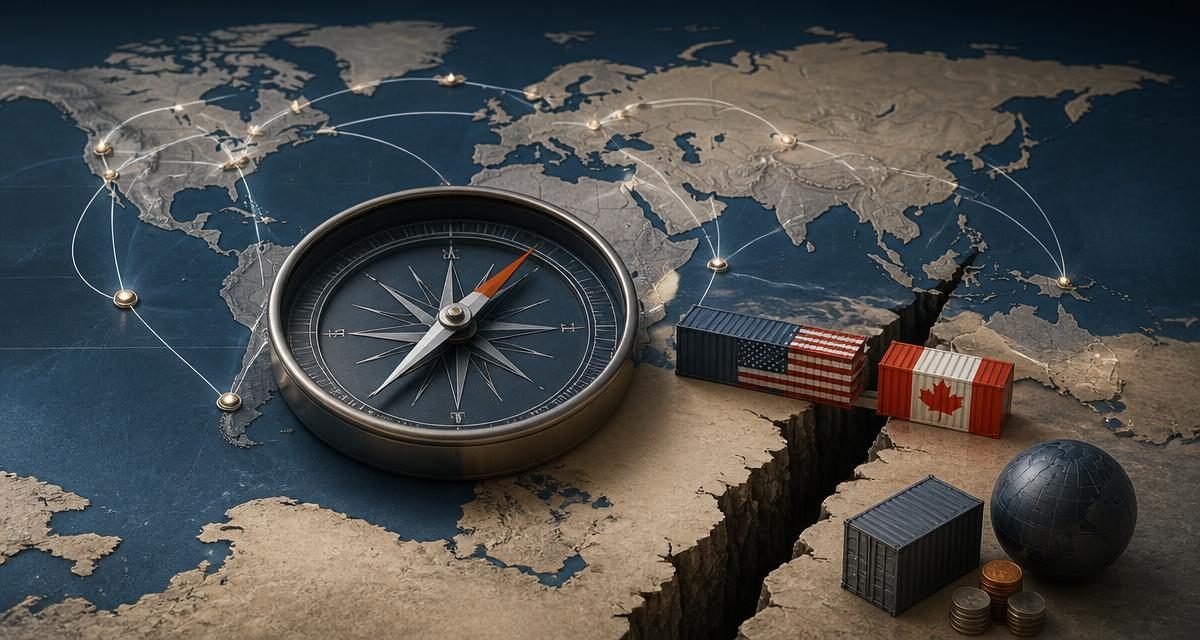
Security alliances remain legally intact, but the Canada tariff rupture demonstrates growing conflict between the administration's reciprocity agenda and alliance cohesion.
What changed
The Canada tariffs became operative and Ottawa fixed a retaliation path; allied air-defense support for Ukraine also advanced at the announcement stage.
Why it matters
The administration is simultaneously demanding economic concessions from a treaty ally and relying on allied burden-sharing in active security theaters.
What to watch next
Canadian countermeasures, exemptions, renewed negotiations and verified allied weapons deliveries.
What we know
- The United States imposed additional 50% tariffs on selected Canadian goods on August 22.
- Canada suspended negotiations and announced matching retaliation after Labor Day.
- Canada remains a NATO ally; the tariff dispute does not alter Article 5 treaty status.
- France agreed to accelerate air-defense deliveries to Ukraine, according to Ukraine's president.
Material unknowns
- Final Canadian counter-tariff list
- Whether negotiations resume
- Defense-supply exemptions
- Timing and quantity of French deliveries
U.S. strategic assessment
Critical interestThe U.S. objective is stronger burden-sharing and reciprocal economic treatment without sacrificing collective deterrence. Execution is forceful, but alliance durability is under pressure because Canada views the tariffs as unjustified and plans retaliation.
Objectives
- Increase allied defense contributions
- Preserve deterrence against Russia and China
- Secure reciprocal market access
- Maintain integrated defense and intelligence relationships
Strategy
- Tariff coercion and bilateral negotiation
- NATO and bilateral force-posture cooperation
- Arms transfers and allied burden-sharing
Outcomes
- Canadian trade talks collapsed.
- Tariffs became operative.
- France announced accelerated Ukraine air-defense deliveries; delivery timing and operational effect remain to be verified.
Risks
- North American supply-chain disruption
- Defense-industrial and Arctic-cooperation friction
- European munitions and air-defense shortages
- Divergent allied war aims
Sources
01Operative tariff proclamation
Canadian government position and retaliation announcement
Independent impact and alliance cross-check
Original U.S. political and trade reporting
European perspective on negotiation collapse