Washington shifts the Iran war toward intensified economic isolation as blockade pressure constrains oil exports
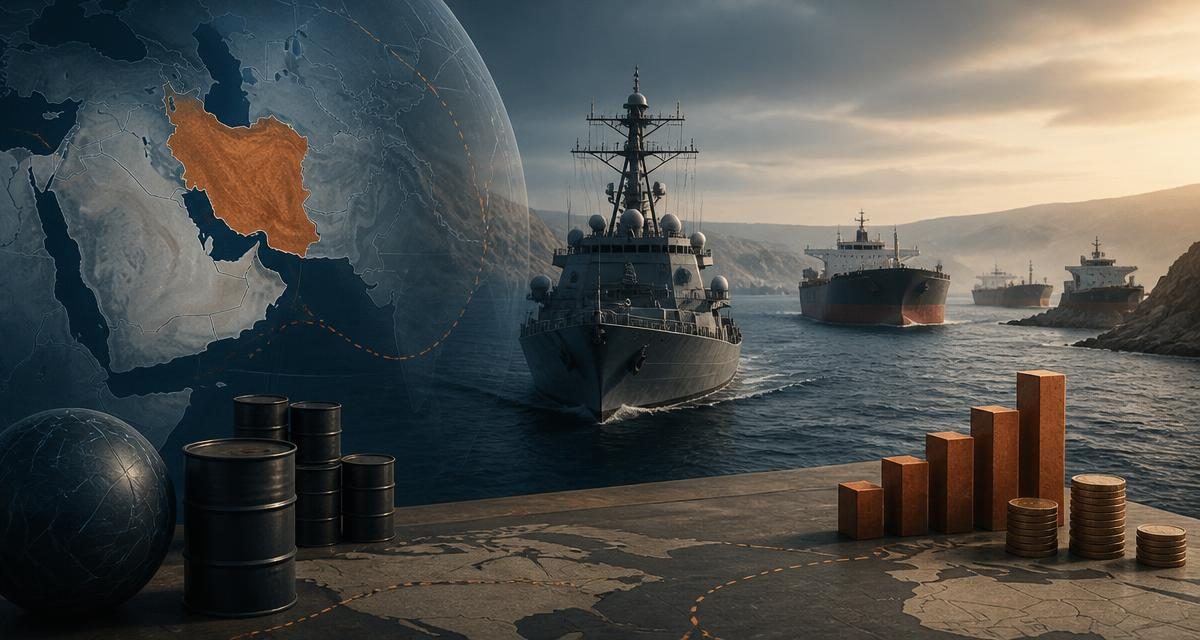
The Trump Administration announced a new phase of economic pressure intended to isolate Iran and force concessions on its nuclear program and the Strait of Hormuz. Trade reporting indicates fewer Iranian crude offers to China and higher prices, suggesting that the U.S. naval blockade is materially disrupting exports. The sanctions package and any secondary measures had not yet been published at the cutoff, however, and Iran threatened a severe response. The immediate strategic danger is escalation involving China, Gulf energy infrastructure or maritime traffic without a credible negotiated off-ramp.
What changed
Vice President JD Vance described a new economic-pressure phase; Treasury Secretary Scott Bessent promised unprecedented coordinated isolation; offers of Iranian oil to Chinese buyers reportedly fell as prices rose.
Why it matters
Iranian supply disruption and coercive secondary sanctions could affect global energy prices, U.S.-China relations, Gulf security and the risk of renewed direct combat.
What to watch next
The formal Treasury package; whether China, India or Gulf states comply; tanker movements and insurance rates; Iranian or proxy attacks; oil-price and inflation effects; evidence of diplomatic contacts.
What we know
- Senior U.S. officials publicly announced plans for substantially stronger economic isolation of Iran.
- The United States is already using a naval blockade to constrain Iranian petroleum exports.
- China has been the dominant buyer of shipped Iranian crude.
- The USS George Washington replaced the USS Abraham Lincoln in the Middle East.
Material unknowns
- The legal authorities, targets and geographic reach of the forthcoming sanctions.
- Whether secondary sanctions will be applied against major Chinese institutions.
- How much Iranian export volume has actually been removed rather than delayed or rerouted.
- Whether economic pressure can produce concessions before generating military retaliation or humanitarian collapse.
U.S. strategic assessment
Critical interestThe United States is a direct belligerent and architect of the blockade and sanctions strategy. Its stated goals are to end Iran's nuclear program, restore unimpeded transit through Hormuz and obtain concessions without another major combat phase. Actual instruments include naval interdiction, sanctions, coalition pressure and carrier presence. The observed result is impaired Iranian oil marketing, but the intended political capitulation has not been observed.
Objectives
- Prevent an Iranian nuclear-weapons capability.
- Restore reliable commercial transit through the Strait of Hormuz.
- Reduce Iranian resources for missiles and regional armed partners.
- Avoid or postpone another direct U.S. combat phase while retaining escalation dominance.
Strategy
- Maintain maritime blockade and carrier-backed deterrence.
- Escalate primary and possible secondary sanctions.
- Press allies and major oil buyers to curtail trade with Iran.
- Use economic hardship as leverage for nuclear and maritime concessions.
Outcomes
- Iranian crude offers to China have reportedly declined and prices have increased.
- Iran's economy and civilian purchasing power are under intensified pressure.
- No verified Iranian strategic concession was evident by the cutoff.
- U.S. forces remain exposed throughout the Gulf and wider Middle East.
Risks
- Iranian or proxy attacks on Gulf infrastructure, U.S. forces or commercial shipping.
- A confrontation with China over extraterritorial sanctions or maritime enforcement.
- Energy-driven inflation and recession risks for oil-importing economies.
- Humanitarian deterioration that does not translate into political compliance.
Sources
01Primary record for sanctions and designations; the final new Iran package was pending at cutoff
Original trade-source reporting on Chinese purchases and prices
Independent assessment of the announced economic campaign and its limits
Reporting on observed economic and household effects inside Iran
Transparent aggregation identifying underlying original reports and official statements
Primary record of China's stated opposition to sanctions and pressure