U.S. pressure on Iran intensifies as Gulf mediators seek an off-ramp and Hormuz remains contested
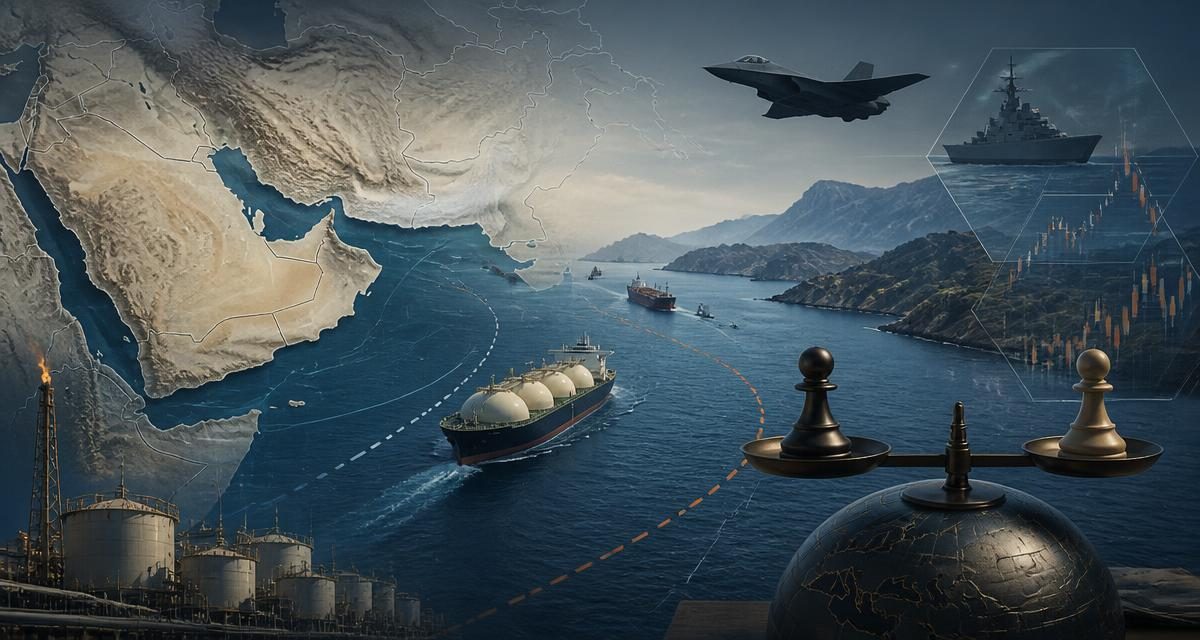
The administration is pursuing direct military, maritime and financial pressure while Gulf partners seek de-escalation. The Strait should not be described as closed absent confirmation from both the White House and CENTCOM; current shipping, bypass throughput and damage estimates remain incomplete.
People carry the highest costs
Ordinary Iranians face war, sanctions, repression and economic disruption while Gulf populations and crews face missile, drone and shipping risks. Opposition to clerical rule is broad but cannot be equated with support for bombing, broad sanctions or any single successor movement.
- Authoritarian conditions make representative public-opinion measurement difficult.
- NCRI statements are opposition claims, not a representative sample.
The documented conflict
The Islamic Republic has a documented record of hostage-taking, proxy warfare, transnational plots and violent repression. Current casualty, leadership-loss and battle-damage claims remain a mixture of official assessments, opposition reports and open-source analysis requiring corroboration.
From containment to direct pressure
U.S. policy progressed from diplomatic rupture and sanctions to counterterrorism enforcement, maximum financial pressure and direct military action. The current campaign combines force protection, sanctions, bank restrictions and maritime security.
U.S. instruments and limits
The administration's stated objectives include protecting U.S. forces and shipping, reducing Iranian military and financial capacity and forcing acceptable negotiations. Announcements and designations do not prove that networks were dismantled or Iranian behavior changed.
Hormuz and alternative routes
The Strait is one battlefield, not the whole campaign. AIS observations are lower bounds, and silence does not prove closure; bypass-pipeline capacity must not be confused with current throughput or incremental diversion.
Gulf states pursue different objectives
Qatar is pursuing mediation; Oman preserves navigation and diplomatic channels; Saudi Arabia and the UAE emphasize exports and defense. Their objectives and escalation tolerance are not identical to Washington's.
Support for the Iranian people
Humanitarian trade authorizations, communications access, accountability for repressors and protection for dissidents can support civilians. Military action and sanctions should not automatically be counted as humanitarian assistance.
What comes next
The decisive tests are whether protected transit becomes safer, Iranian oil receipts and military capacity measurably decline, civilian harm is contained and negotiations produce a durable outcome.
What changed
No authoritative release inside the exact 12-hour window conclusively changed Strait closure status. The latest accessible reporting instead showed continued Gulf mediation and ongoing U.S. financial pressure.
Why it matters
Iran can impose global energy, shipping, military and civilian costs even if protected traffic and bypass routes continue.
What to watch next
White House and CENTCOM navigation statements; Treasury designations and blocked-property results; Qatar/Oman mediation; IEA/EIA flow updates.
What we know
- The United States and Iran remain in direct conflict and an intensified financial-pressure campaign.
- Qatar and other Gulf governments are seeking an off-ramp while protecting their own energy and security interests.
- No evidence located in this bounded session established the required dual White House and CENTCOM confirmation that the Strait was fully closed.
- Saudi and UAE crude bypass routes provide material resilience, but current August 30 throughput was not independently established; Qatar LNG lacks a comparable short-term maritime bypass.
Material unknowns
- Current exact escorted-transit totals
- Current August 30 bypass throughput
- Independent battle-damage and civilian-harm totals
- Negotiating end state
U.S. strategic assessment
Critical interestThe United States is applying substantial military and financial pressure, but strategic success cannot yet be inferred from activity alone.
Objectives
- Protect U.S. forces and maritime commerce
- Reduce Iranian military and financial capacity
- Prevent terrorism and nuclear escalation
- Support an Iranian-led future with plural government and rights protections
Strategy
- Military and maritime operations
- OFAC and correspondent restrictions
- Partner diplomacy and mediation
- Humanitarian and communications authorizations
Outcomes
- Pressure is operationally significant
- A negotiated end state is not established
- Current exact bypass flow and Strait traffic remain evidence gaps
Risks
- Escalation against U.S. forces and allies
- Civilian casualties and anti-U.S. backlash
- Shipping and insurance disruption
- Sanctions adaptation through China, front companies, crypto and shadow fleets
Sources
01Controls official U.S. operational statements
Controls sanctions and blocking status
Independent regional reporting and cross-check
Secondary geopolitical-risk analysis
Structured open-source chronology and analysis
Opposition claims and leads; not independent confirmation
Energy chokepoint and capacity data
Oil-market and alternative-route benchmarks