Texas Data-Center Backlash Raises Power, Cost and Permitting Risk for U.S. AI Expansion
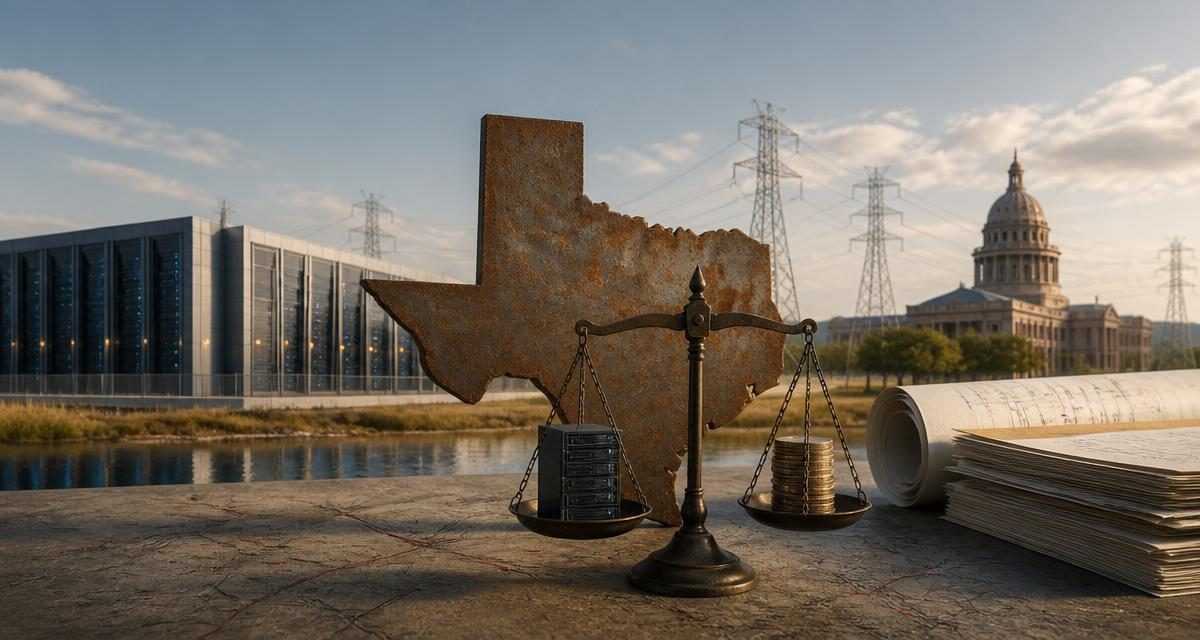
The event is consequential because Texas had been a leading expansion venue. The verified change is political resistance, not yet a quantified loss of operating capacity.
What changed
Texas political support for rapid data-center expansion weakened materially.
Why it matters
State-level limits can delay nationally strategic compute capacity and shift power costs.
What to watch next
PUCT rules, ERCOT interconnection data, company delays and any state legislation.
What we know
- Axios reported Governor Greg Abbott sharply criticizing data centers after previously courting them.
- Local opposition concerns power reliability, infrastructure and cost allocation.
- No statewide ban or completed capacity cancellation was established by the retrieved report.
Material unknowns
- Specific legislative or regulatory response
- Projects affected
- Cost allocation
U.S. strategic assessment
High interestFederal acceleration depends on state utilities, regulators and communities. Texas illustrates that announcements cannot substitute for local execution and public acceptance.
Objectives
- Rapid data-center deployment
- Reliable and affordable power
- Domestic AI advantage
Strategy
- Federal permitting and energy support
- State utility regulation
- Private generation and grid investment
Outcomes
- Political support weakened
- No verified statewide construction halt
Risks
- Connection delays
- Ratepayer backlash
- Reliability stress
- Project relocation
Sources
01Original reporting
Texas grid data
Regulatory status
Conservative coverage when materially available
Independent market cross-check