U.S. Economic Growth, Manufacturing & Investment
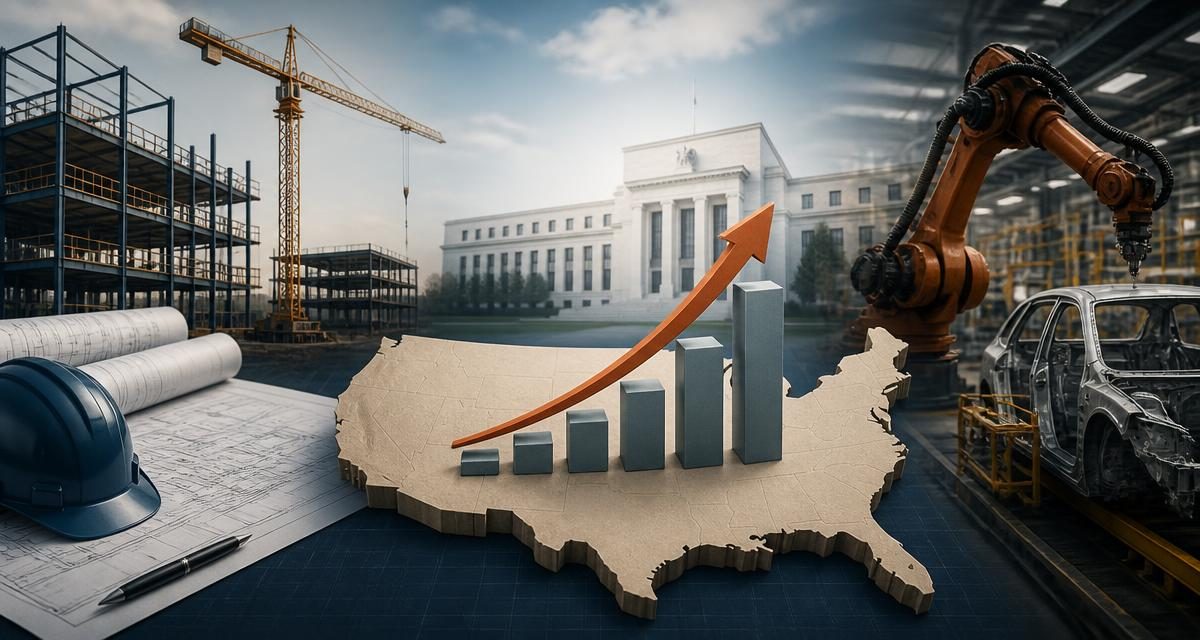
Industrial-policy execution is broadening and manufacturing indicators improved, but the evidence base remains stronger for authority, awards and announcements than for completed productive capacity.
What changed
Financing and energy conditions worsened during the window even as Friday equities rebounded; no new completed industrial capacity offset that deterioration.
Why it matters
Durable growth requires announced factories, mines, power systems and data centers to become completed productive capacity with permanent employment.
What to watch next
Industrial production, durable-goods orders, construction spending, manufacturing payrolls and project commissioning records.
What we know
- The administration reported strong July manufacturing survey expansion and more than 18,000 manufacturing jobs added during 2026.
- Mining, magnets, grid equipment and AI infrastructure have received new awards or private commitments, but announced value is not equivalent to capital spent.
- Long-term Treasury yields near 4.7% and Brent near $94 increase the cost of financing and operating industrial projects.
- No major factory commissioning or independently audited permanent-job completion was verified inside the 24-hour window.
Material unknowns
- Capital actually spent on announced projects
- Permanent jobs created and wage quality
- Tariff net effect on output and prices
- Project cancellations or delays
U.S. strategic assessment
Critical interestThe administration is actively deploying tariffs, DPA authority, permitting changes and sectoral investments. Measurable survey gains exist, but durable success requires project-level expenditure, commissioning, output and job evidence.
Objectives
- Raise GDP, productivity and domestic capital formation
- Expand manufacturing and defense-industrial capacity
- Reshore critical supply chains
- Create durable, well-paid operating employment
Strategy
- Tariffs and trade negotiations
- DPA investments and purchase commitments
- Permitting and deregulation
- Energy and grid expansion with private investment inducements
Outcomes
- Manufacturing surveys improved through July.
- Critical-mineral and grid project pipelines expanded.
- High yields and oil prices worsened investment conditions during the week.
Risks
- Fiscal and interest-rate crowding out
- Tariff retaliation and input inflation
- Energy and transmission bottlenecks
- Project delays, automation and shortages of skilled labor
Sources
01Administration manufacturing assessment
Mining investment and workforce package
Grid DPA determination
Independent reporting on financing conditions
Treasury intervention and rate-policy context
International view of U.S. capital-demand pressure