Washington prepares intensified economic isolation of Iran
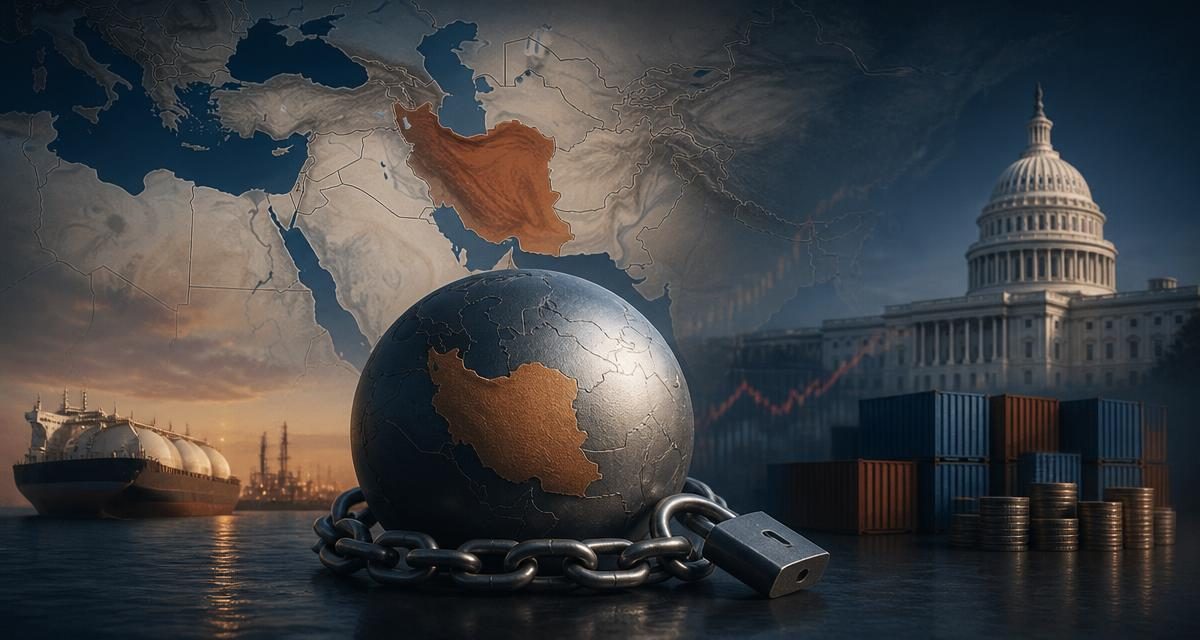
Senior U.S. officials announced a new economic-pressure phase against Iran, but the operative package was deferred until August 24. The near-term test is whether Washington can secure Chinese and allied cooperation without causing renewed military or energy-market escalation.
What changed
The administration publicly moved to an economic-isolation phase and set August 24 for further details.
Why it matters
Iran-related escalation affects nuclear proliferation, U.S. forces and allies, China relations, Hormuz shipping, oil prices, and global inflation.
What to watch next
Treasury's promised August 24 package and any Iranian, Chinese, or energy-market response.
What we know
- Vice President JD Vance publicly described the conflict as entering a new economic-pressure phase.
- Treasury Secretary Scott Bessent said details of coordinated isolation would be released Monday, August 24.
- China publicly rejected sanctions and pressure as a solution.
- No new sanctions package was fully published within the reporting window.
Material unknowns
- Scope of forthcoming sanctions.
- Chinese, Indian, Turkish, and Gulf-state compliance.
- Iranian military response and Hormuz effects.
U.S. strategic assessment
Critical interestOfficial U.S. statements indicate a shift from predominantly military pressure toward coordinated economic isolation. Intended outcomes are Iranian concessions and reduced escalation; neither was independently observed during the window.
Objectives
- Prevent Iran from obtaining a nuclear weapon.
- Protect U.S. forces, Israel, Gulf partners, and maritime commerce.
- Secure Iranian concessions without an open-ended war.
Strategy
- Coordinate financial, trade, shipping, and energy sanctions.
- Privately pressure China and other importers.
- Retain military deterrence while emphasizing economic instruments.
Outcomes
- No verified Iranian concession in the reporting window.
- China rejected the announced pressure approach.
- Markets faced continued uncertainty pending the sanctions package.
Risks
- Iranian retaliation against U.S. forces, allies, or shipping.
- Chinese non-cooperation could weaken sanctions and broaden U.S.-China confrontation.
- Energy-price increases could transmit the conflict into global inflation and recession risk.
Sources
01Original synthesis quoting senior U.S. and Chinese officials; underlying statements require primary confirmation
Primary sanctions authority; package details pending
Primary Chinese position on U.S. sanctions pressure
Independent aggregation linking primary documents and major reporting
Searched for materially distinct reporting; no independent evidence added to the anchor claim