Iran pressure campaign keeps energy, shipping, and inflation risks elevated
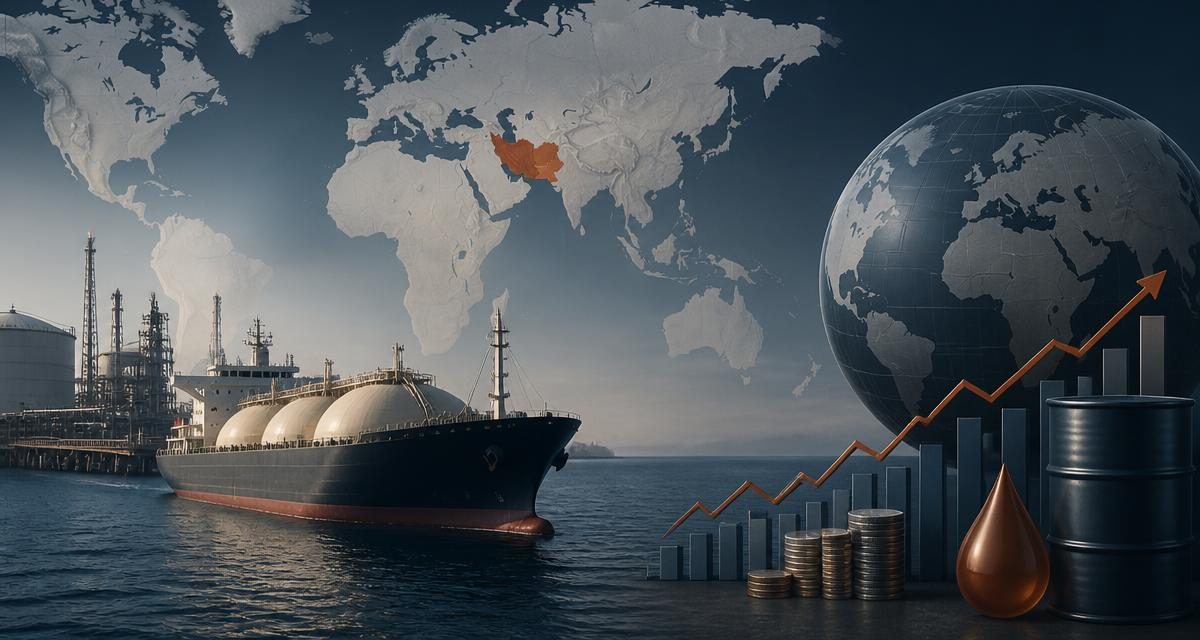
The central economic risk was anticipatory: markets were waiting for the administration's August 24 Iran package and assessing whether economic isolation would tighten supply or provoke retaliation. Forecasts remain conditional rather than observed outcomes.
What changed
The administration set expectations for unprecedented coordinated isolation, increasing uncertainty before publication of operative measures.
Why it matters
Iran and Hormuz risk can rapidly affect oil, shipping, inflation, interest rates, industrial costs, and global growth.
What to watch next
Oil, LNG, freight, insurance, inflation expectations, and Treasury's August 24 announcement.
What we know
- U.S. officials promised additional Iran economic measures but had not published the package by the reporting cutoff.
- China publicly opposed the pressure campaign.
- Energy and shipping expectations remained highly sensitive to escalation risk.
- No verified 24-hour market move alone established a durable trend.
Material unknowns
- Sanctions scope and exemptions.
- OPEC and producer response.
- Hormuz security and tanker flows.
- Magnitude of inflation pass-through.
U.S. strategic assessment
Critical interestThe United States seeks Iranian concessions while minimizing domestic energy and inflation costs. Those objectives can conflict if sanctions remove supply or provoke shipping disruption.
Objectives
- Maintain energy-market stability.
- Preserve sanctions leverage over Iran.
- Protect Hormuz navigation and limit U.S. inflation.
Strategy
- Coordinate sanctions with producers and importers.
- Use domestic production and strategic logistics to mitigate shortages.
- Protect maritime commerce and monitor evasion.
Outcomes
- No sanctions package was fully operative within the window.
- No durable de-escalation signal emerged.
- Market uncertainty persisted.
Risks
- Oil and LNG price spikes.
- Higher shipping insurance and rerouting costs.
- Inflation pressure that delays rate cuts or weakens consumption.
- Sanctions leakage through China and intermediaries.
Sources
01Primary energy-market and Hormuz exposure data
Primary sanctions authority
Senior-official statement synthesis
Searched for conservative inflation and energy framing; no independent market dataset added
Independent cross-topic briefing