Colombia earthquake death toll rises as aid gaps persist
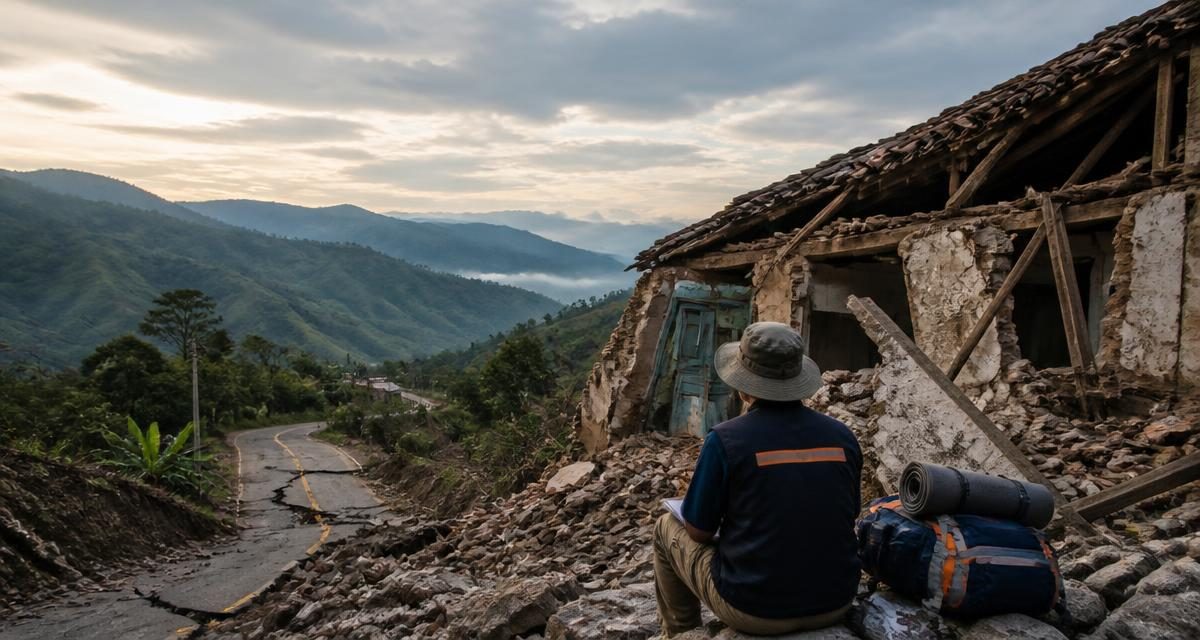
Colombia's earthquake became the window's most severe natural disaster, with 321 reported deaths and an estimated 1.2 million people needing assistance. This climate-section inclusion distinguishes disaster response and resilience from unsupported climate attribution.
What changed
The official death toll increased to 321, while the UN reported 1.2 million people needing aid. The administration's documented climate-policy position remains that federal greenhouse-gas regulation imposed excessive costs and exceeded Clean Air Act authority; EPA's February 12, 2026 rescission of the 2009 Endangerment Finding and vehicle GHG standards is operative but exposed to litigation. That policy did not cause this earthquake, and no credible evidence links anthropogenic warming to tectonic earthquake occurrence.
Why it matters
The disaster is a major Western Hemisphere humanitarian emergency with implications for regional stability, migration, infrastructure, and U.S. disaster assistance.
What to watch next
Aftershock activity, landslide warnings, aid-access metrics, and updated Colombian casualty totals.
What we know
- Colombian authorities raised the reported death toll to 321 on August 21.
- The United Nations estimated that approximately 1.2 million people needed humanitarian assistance.
- Some affected communities remained difficult to reach.
- The magnitude-7.4 earthquake was a geophysical event; no evidence attributes its occurrence to climate change.
Material unknowns
- Final death and displacement totals.
- Access to isolated communities.
- Scale and timing of U.S. assistance.
U.S. strategic assessment
High interestU.S. interests center on humanitarian relief, regional stability, and support for a major partner. Inference: rapid logistics and engineering support could reduce second-order migration and public-health risks.
Objectives
- Support Colombian-led rescue and relief.
- Protect U.S. citizens and critical bilateral infrastructure.
- Limit humanitarian destabilization and displacement.
Strategy
- Offer USAID, search-and-rescue, military-airlift, and technical assistance if requested.
- Coordinate with Colombian authorities and regional partners.
- Support transparent needs assessments and aid tracking.
Outcomes
- Colombian and international response operations continued.
- Large populations remained underserved.
- No evidence in the reviewed window established full U.S. operational deployment.
Risks
- Aftershocks and rainfall-triggered landslides.
- Disease and water-safety problems in displacement sites.
- Criminal exploitation or diversion of aid.
Sources
01Primary Colombian casualty and response authority
Spanish-language report citing Colombian authorities
Humanitarian needs and access assessment
Independent seismic measurements and aftershock analysis
Searched for distinct disaster reporting; no independently superior casualty evidence located