U.S. Alliances, Objectives & Unresolved Issues — Russia tests Japan's periphery
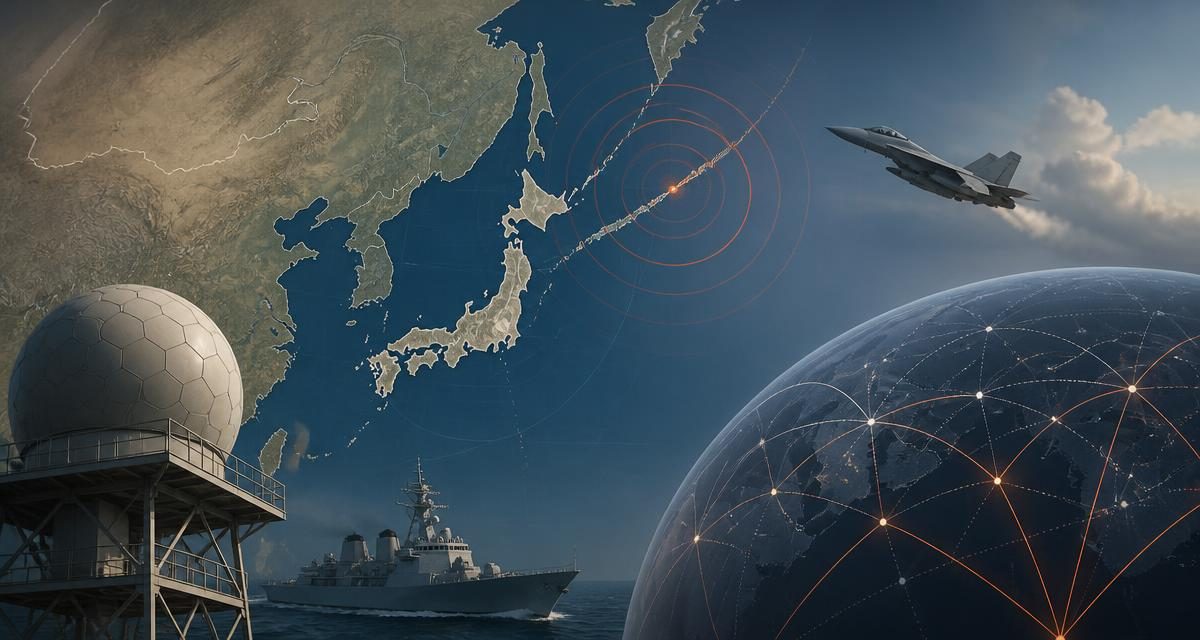
Russia's live-fire drill near the disputed southern Kurils added pressure to the U.S.-Japan security environment. The alliance remains durable, but the territorial dispute, Middle East commitments and production bottlenecks complicate deterrence.
What changed
Russian missile training near the disputed islands followed President Putin's August 13 visit and drew a new Japanese protest.
Why it matters
U.S. deterrence depends on allied access, logistics, munitions, political cohesion and differing escalation tolerances.
What to watch next
Additional Russian deployments, Japanese surveillance releases, U.S.-Japan consultations and changes in regional force posture.
What we know
- Russia conducted anti-ship missile drills near islands administered by Russia and claimed by Japan.
- Japan protested the activity; the territorial dispute remains unresolved.
- U.S. Middle East commitments and munitions use create trade-offs for other theaters.
- NATO, Japan, South Korea, Australia, the Philippines, Five Eyes, AUKUS and the Quad remain distinct arrangements with differing legal obligations.
Material unknowns
- Exact launch location and full exercise order of battle.
- Whether Moscow intended a broader response to Japanese policy.
- Future U.S. reassurance or force-posture changes.
U.S. strategic assessment
Critical interestThe United States seeks to deter Russia and China, maintain Indo-Pacific access, share burdens and avoid uncontrolled escalation. Japan seeks defense of its territory and recovery of the Northern Territories but has distinct economic and escalation constraints. NATO allies separately prioritize European defense and Ukraine.
Objectives
- Maintain treaty deterrence and forward access.
- Improve allied burden-sharing and interoperability.
- Prevent adversaries from exploiting simultaneous crises.
- Expand munitions, shipbuilding and air-defense capacity.
Strategy
- Treaty-based force posture and exercises.
- Arms sales, intelligence sharing and technology partnerships.
- Sanctions and export controls.
- Domestic and allied defense-industrial expansion.
Outcomes
- Japan publicly protested the Russian exercise.
- No clash or treaty invocation occurred.
- U.S. industrial-base actions are underway but have not closed readiness gaps.
Risks
- A regional incident involving Japanese forces and Russia.
- Alliance doubt if U.S. resources are perceived as overextended.
- Munitions and shipbuilding shortfalls.
- Trade disputes eroding political support for security cooperation.
Sources
01Official Japanese military activity and monitoring releases
Japan-based original reporting on the missile drill
Tokyo-based reporting and regional context
Cross-check of Russian exercise claims and Japanese protest
Treaty text and Japanese legal position