Household Affordability
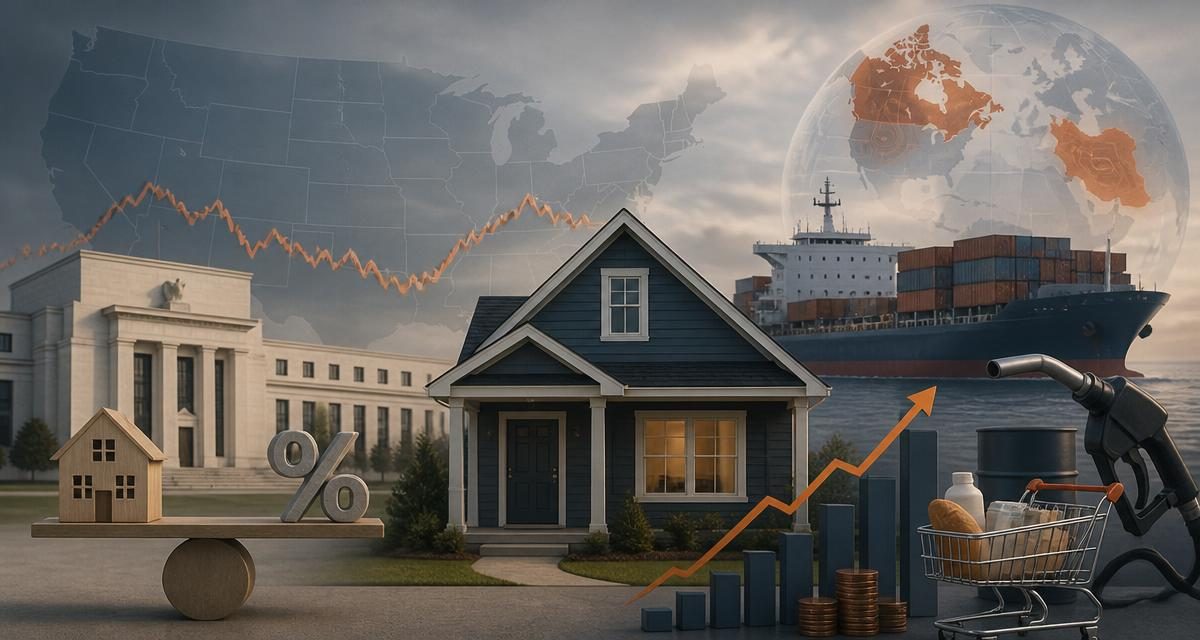
No material reporting-window statistical update changed the affordability baseline. The principal new information was risk: escalating Canada tariffs and Iran sanctions may raise goods and energy costs, while long yields remain an important mortgage and credit channel.
What changed
No new comprehensive affordability release; verified policy developments increased near-term inflation and supply-chain risk.
Why it matters
Household welfare depends on price levels, income, financing costs and regional exposure—not inflation alone.
What to watch next
CPI, PCE, real earnings, mortgage rates, gasoline prices and importer pricing.
What we know
- No new comprehensive CPI or household-income release occurred in the reporting window.
- Canada tariffs and Iran sanctions increased risk to goods, energy and financing costs.
- Lower inflation would not mean that the price level returned to pre-2020 levels.
Material unknowns
- Tariff pass-through magnitude
- Iran-related energy duration
- Regional housing and insurance changes
U.S. strategic assessment
Critical interestThe administration seeks lower energy and regulatory costs and stronger real incomes, but tariff and sanctions policies can work in the opposite direction over shorter horizons.
Objectives
- Increase real purchasing power
- Expand housing and energy supply
- Reduce recurring household costs
Strategy
- Energy expansion
- Deregulation
- Trade and industrial policy
- Tax and income measures
Outcomes
- No material new comprehensive affordability improvement was verified.
- Near-term price risk rose.
Risks
- Housing and mortgage burden
- Energy-price shock
- Tariff pass-through
- Insurance and healthcare costs
Sources
01Consumer-price and wage data
Rates and household-finance transmission
Energy prices and supply
Current market and policy cross-check
Original policy and inflation-risk context