U.S. Alliances, Objectives & Unresolved Issues
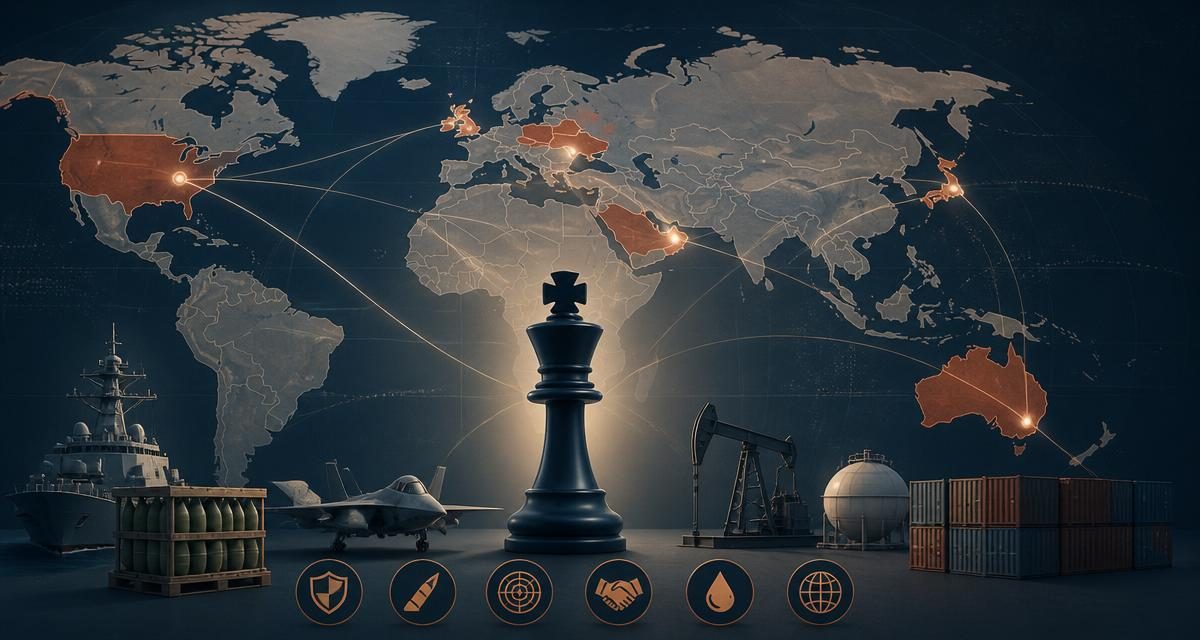
The alliance network remains strong, especially with Japan, Australia, Poland, the United Kingdom and Gulf hosts. The principal unresolved issues are readiness, munitions, Iran escalation, Ukraine end-state differences, energy exposure and trade friction.
What changed
Iran-related financial and security pressure intensified; no alliance-wide strategic settlement was verified.
Why it matters
U.S. deterrence depends on allied access, readiness, munitions, energy security and political durability.
What to watch next
Force deployments, deliveries, allied defense budgets and documented coordinated Iran measures.
What we know
- NATO, Five Eyes, AUKUS and Indo-Pacific treaty alliances remain operative.
- Partners’ escalation tolerance, economic exposure and war aims differ.
- Munitions, air defense, shipping security and industrial throughput remain constraints.
Material unknowns
- Classified readiness
- Durability of allied political support
- Conflict end states
U.S. strategic assessment
Critical interestThe alliance system remains a leading U.S. strategic advantage, but political statements should not be confused with delivered capability.
Objectives
- Deter aggression
- Share defense and economic-security burdens
- Preserve access, intelligence and industrial integration
Strategy
- Treaty commitments and forward basing
- Arms, exercises and intelligence sharing
- Sanctions, energy and technology coordination
Outcomes
- Allied basing and sanctions cooperation continue.
- Capability delivery and strategic end states remain uneven.
Risks
- Munitions shortages
- Escalation or entrapment
- Uneven burden-sharing
- Trade disputes weakening political support
Sources
01Treaty and alliance records
Force posture and AUKUS records
Treaties and diplomacy
Independent cross-check
Conservative burden-sharing and readiness analysis