U.S. Alliances, Objectives & Unresolved Issues
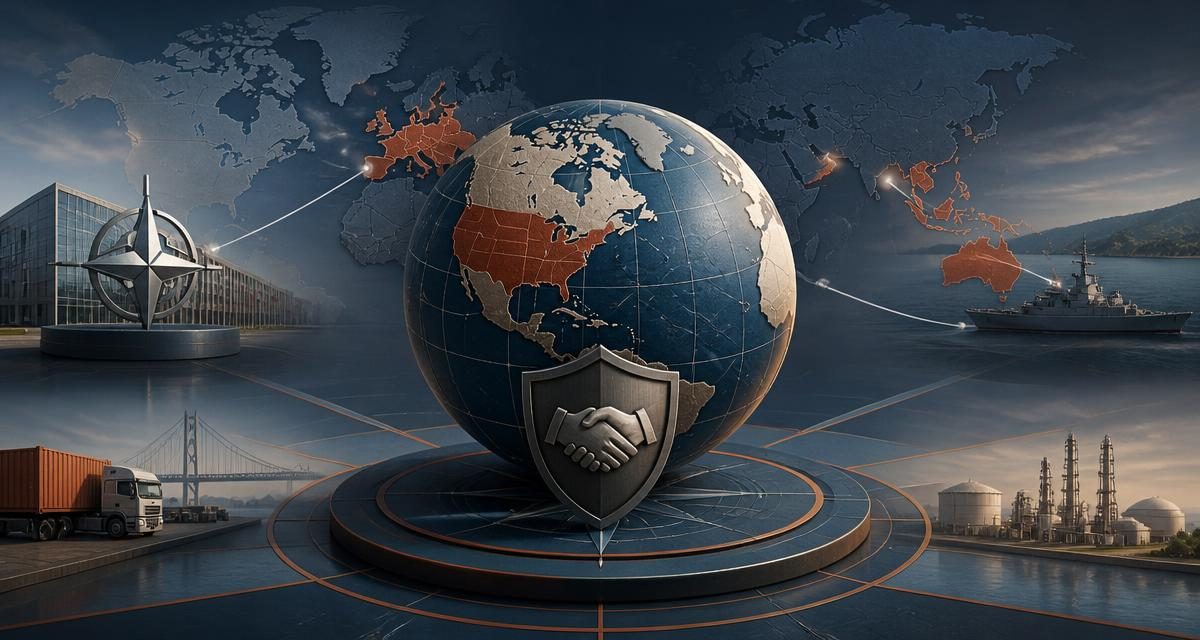
The U.S. alliance network remains operationally strong, especially in NATO and the Indo-Pacific, but the Canada trade rupture shows that economic policy can weaken trust even where defense ties remain intact. Gulf partners are pursuing distinct strategies toward Iran rather than acting as a single bloc.
Alliance stakes
Allied populations and service members depend on credible commitments, usable military capacity and political consent.
Different objectives
The United States seeks burden sharing, access, deterrence, resilient supply chains and diplomatic support. Allies often share the threat but differ on trade, escalation, timelines and domestic costs.
Alliance architecture
NATO commitments, bilateral Indo-Pacific treaties, Five Eyes intelligence sharing, AUKUS technology work and Middle East partnerships are legally and operationally distinct.
Current fracture
The Canada tariff dispute demonstrates that economic confrontation can coexist with strong security integration while still weakening trust.
Middle East roles
Iran and Hormuz require differentiated Gulf roles: Oman mediates, Qatar combines basing and diplomacy, Saudi Arabia and the UAE provide energy resilience, and Bahrain hosts naval forces.
Unresolved capacity
Readiness gaps include munitions, air defense, shipbuilding, grid and industrial capacity, sanctions leakage and disagreement over end states.
What comes next
The next milestones are verified deployments, deliveries, exercises, burden-sharing expenditures, trade settlements and agreed diplomatic terms.
What changed
Canada's European outreach and tariff retaliation made economic fragmentation the clearest new alliance development.
Why it matters
U.S. strategy depends on allied access, intelligence, industrial capacity and burden sharing, but economic coercion can undermine diplomatic trust.
What to watch next
NATO and bilateral announcements, Canadian negotiations, Gulf diplomatic documents and verified force-posture changes
What we know
- NATO, Japan, South Korea and Australia remain formal treaty relationships.
- Five Eyes, AUKUS and the Quad have different legal foundations and obligations.
- Canada's trade conflict weakened diplomatic and economic alignment without ending defense commitments.
- Qatar and Oman played material diplomatic roles around Iran and Hormuz.
Material unknowns
- Iran settlement terms
- Canada trade repair
- Munitions readiness
- Allied domestic political durability
U.S. strategic assessment
Critical interestThe alliance network remains a major U.S. advantage, but economic disputes and capacity gaps require active management.
Objectives
- Collective deterrence
- Burden sharing
- Industrial and technology cooperation
- Coordinated diplomacy
Strategy
- Treaty commitments and basing
- Arms, exercises and intelligence
- Trade and technology cooperation
- Sanctions and diplomacy
Outcomes
- Strong core security integration
- Weaker Canada economic alignment
- Active Gulf diplomacy without a verified final settlement
Risks
- Alliance fragmentation
- Munitions shortages
- Trade retaliation
- Conflicting war aims
Sources
01Treaty and alliance records
Alliance and diplomatic records
Force posture and partnership records
Middle East operational records
Canada alliance and Europe pivot
Iran and Gulf diplomacy
Conservative challenge when materially relevant